
CO2 Laser coder
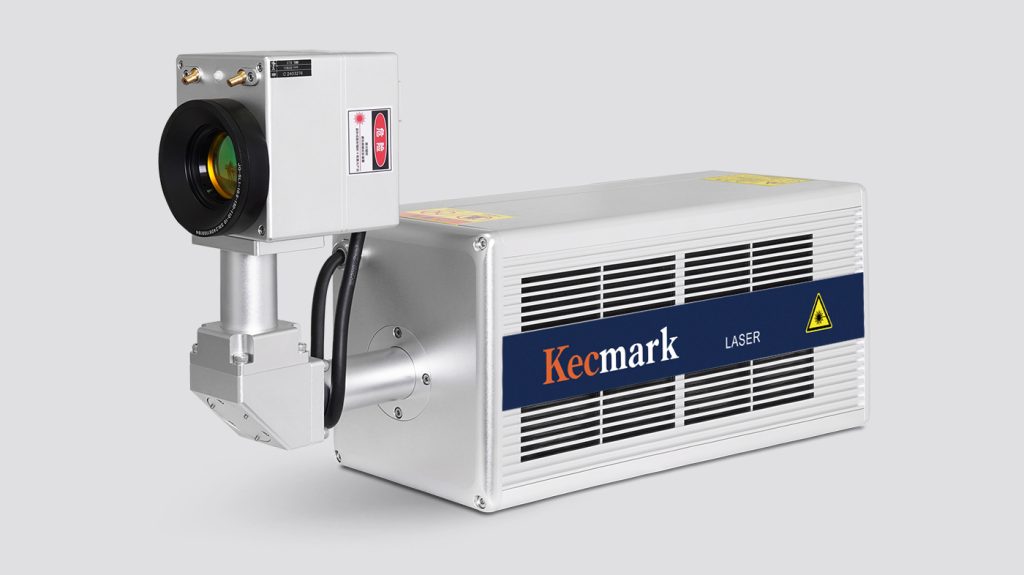
KC303i
KC330i / KC301i

Laser
Beam expanders
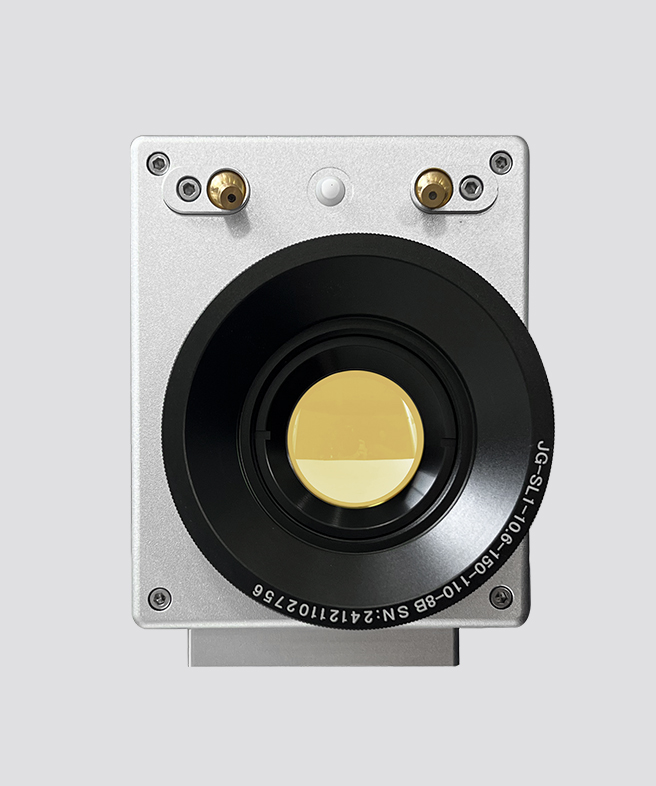
Vibrometer
Field mirror
Product Overview
CO2 laser coding machine is a laser with CO2 gas as the medium. Electrode plates are arranged inside a tube filled with CO2 gas to generate an electric discharge. The electrode plate is connected to an external power supply, allowing it to be used as an excitation source for high-frequency power. When plasma is generated in the gas due to inter-electrode discharge, CO2 molecules are transformed into an excited state, and the amount increases and stimulated radiation begins. In addition, in order to produce oscillations in order to make light go back and forth, a pair of mirrors are placed relative to form a resonator. The light travels back and forth between the total mirror and the output mirror, amplifying and outputting as a laser light.
- The use of an air-cooled laser source requires virtually no maintenance and minimizes downtime;
- The laser source has a longer service life, with a mean time between failures (MTBF) of about 40,000 hours;
- Standard 100*100 marking area, high marking accuracy and edge sharpness to achieve higher throughput;
- The standard IP54 protection level is suitable for continuous and stable operation in harsh environments with dust and moisture.
- A variety of working distances are optional, 0~360 degree printhead installation direction, and the production line integration is more flexible and convenient.

Product Advantages
Multiple wavelength options
Our range of CO2 lasers offers a wide range of wavelength options to help you find the ideal solution for your application.
- 10.6 microns: ideal for most standard consumer packaged goods applications such as paper, cardboard, various plastics and labels, as well as wood products and glass products;
- 10.2 microns: best suited for laminated cartons commonly used in many cosmetic and pharmaceutical applications;
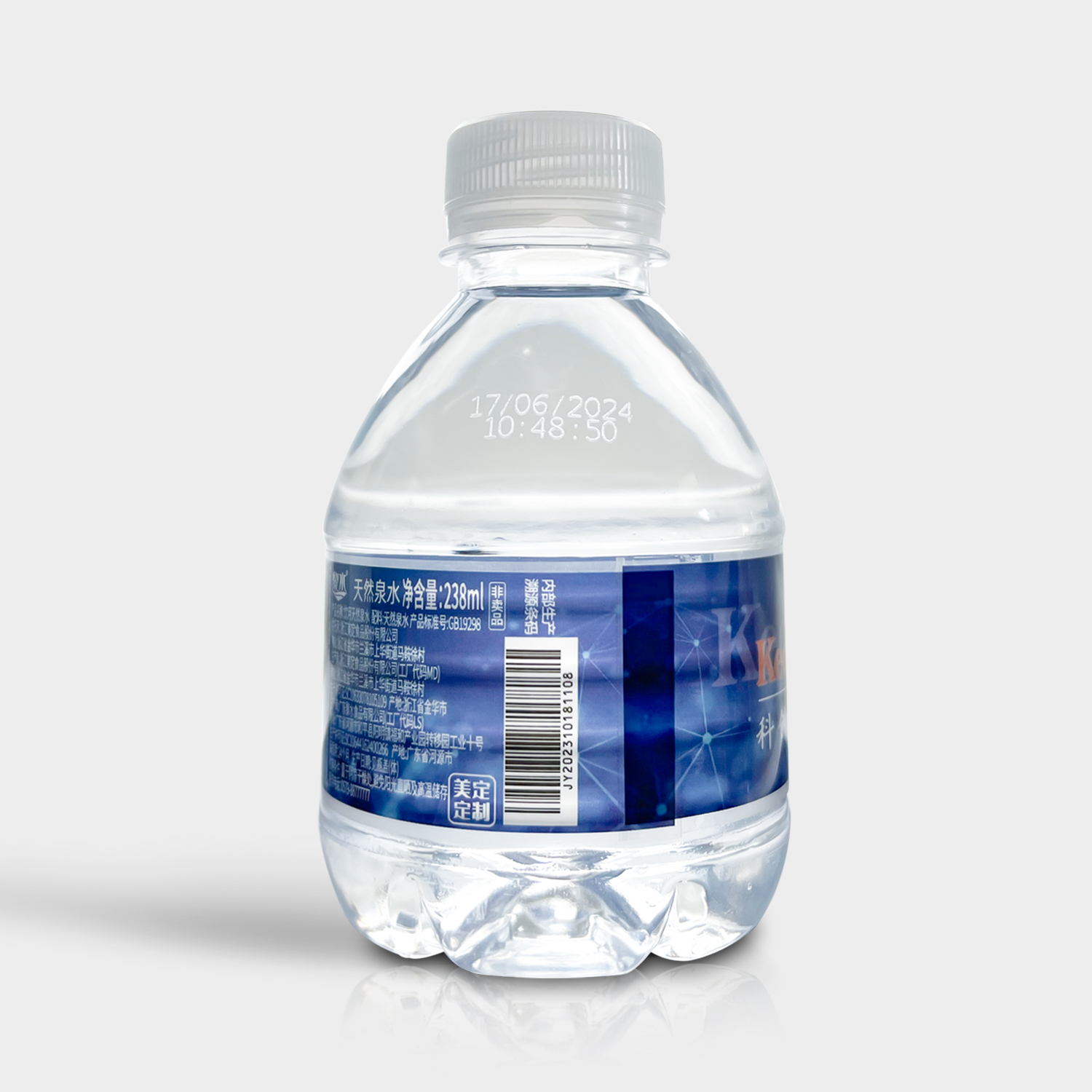
- 9.3 microns: Particularly suitable for marking PET plastics, typically beverage products;
Laser marking effect
The marking material, the laser wavelength and the type of laser all affect the marking effect.
- The chemical reaction between the laser and the product results in a change in color;
- Engraving on the surface of the product, e.g. by foaming PET or etching glass;
- Ablation or removal of surface coating color to expose the underlying replacement color;
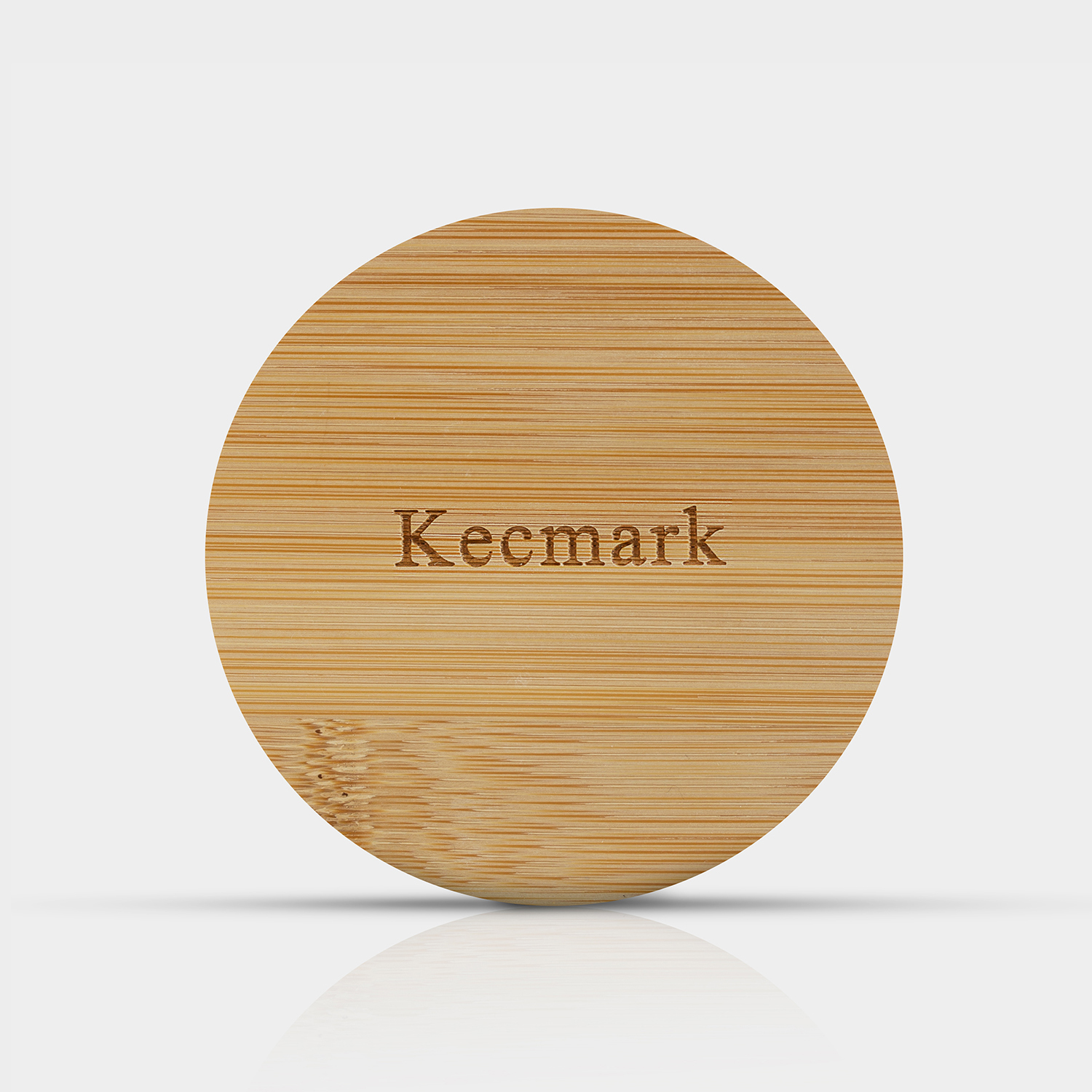
- Carbonization or controlled combustion of wood or cardboard materials;
- Melting different plastic materials to achieve a concave and convex effect;
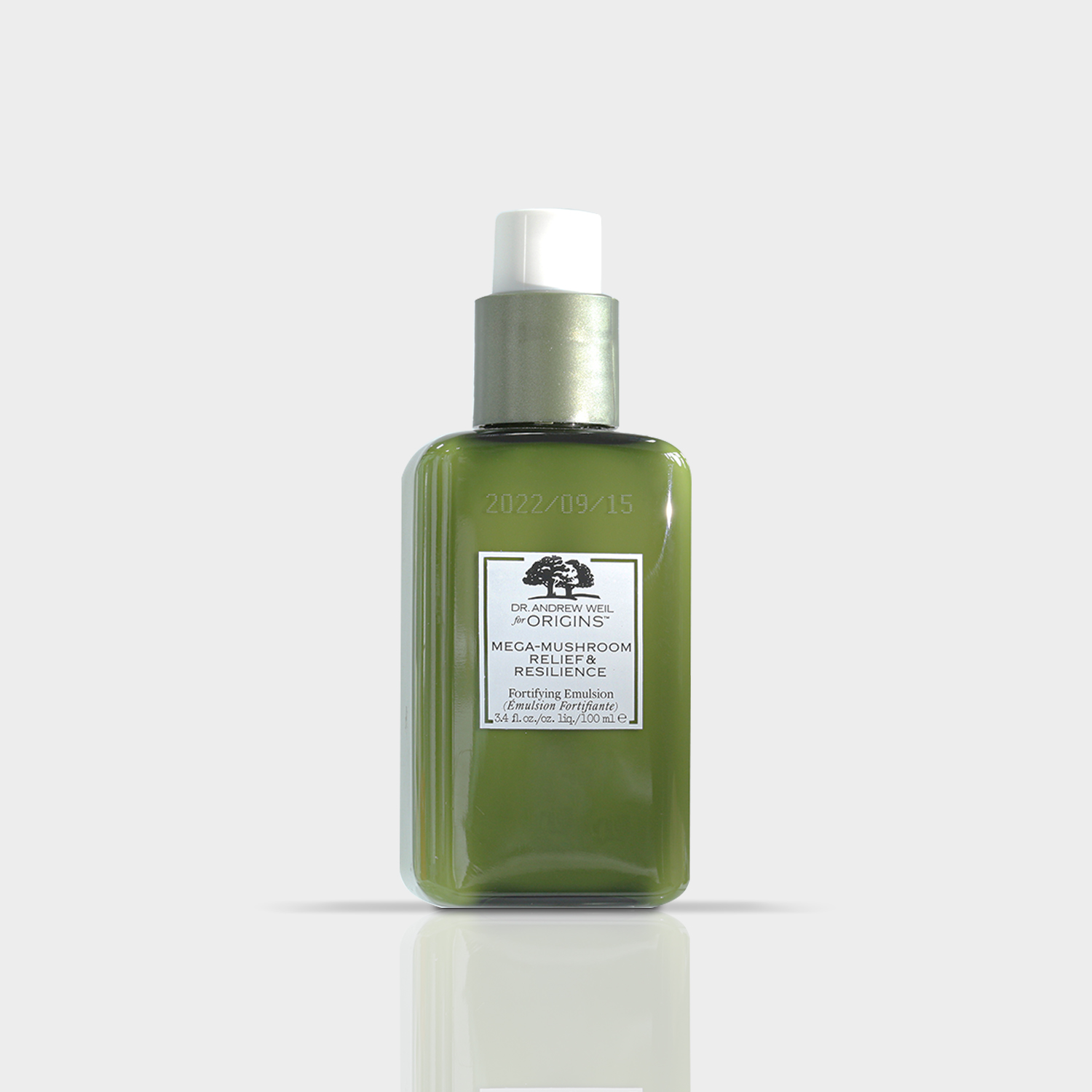
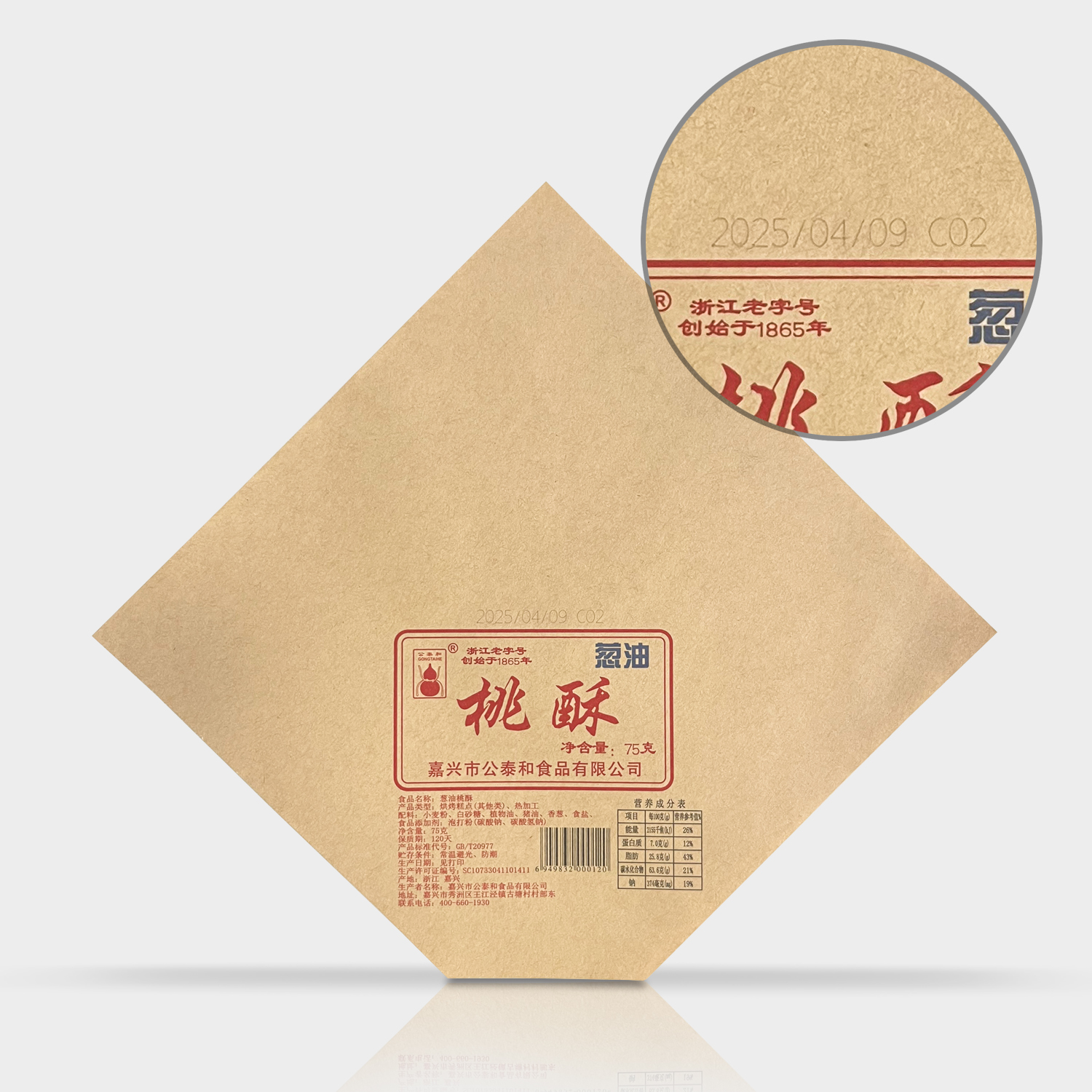
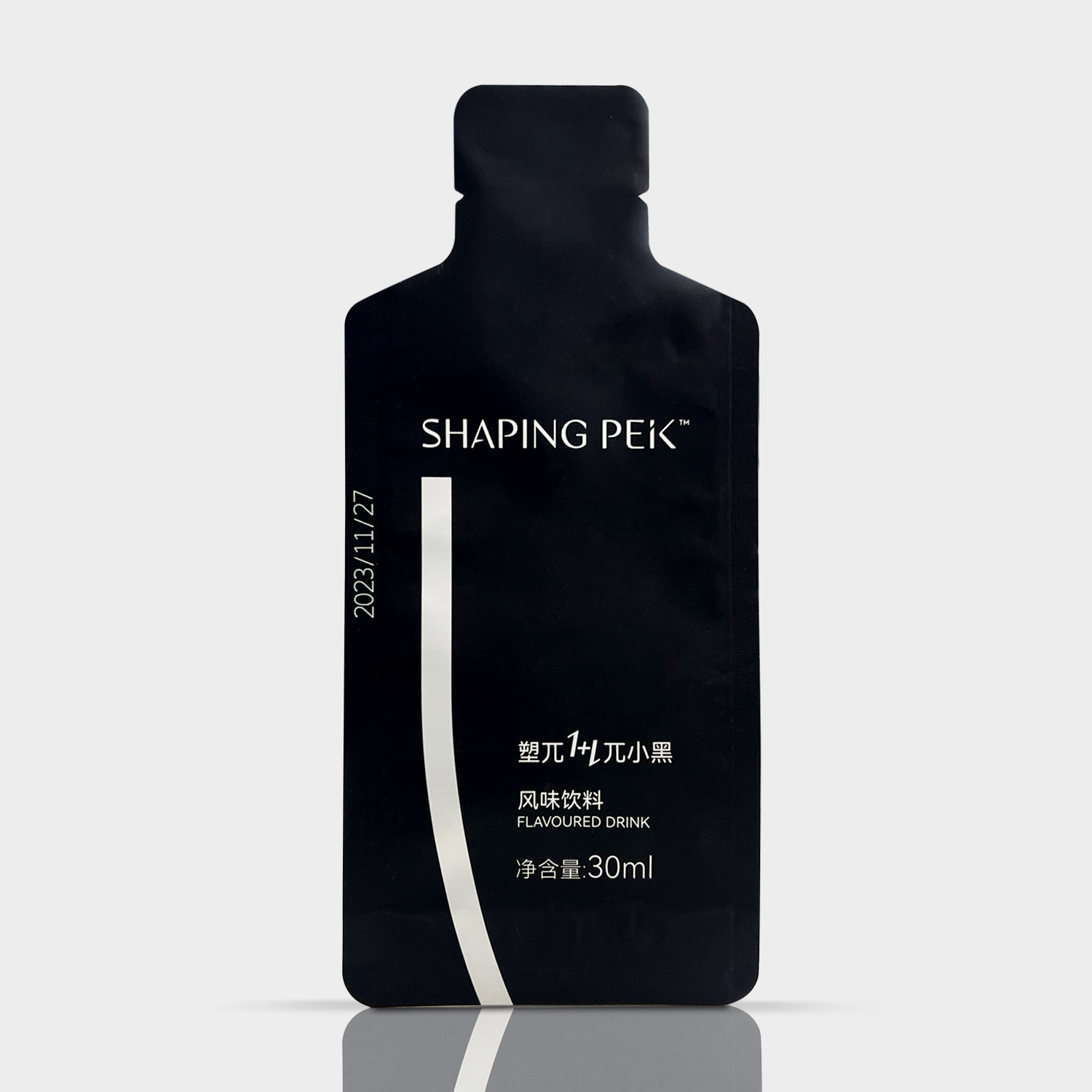
CO2 Laser coding case
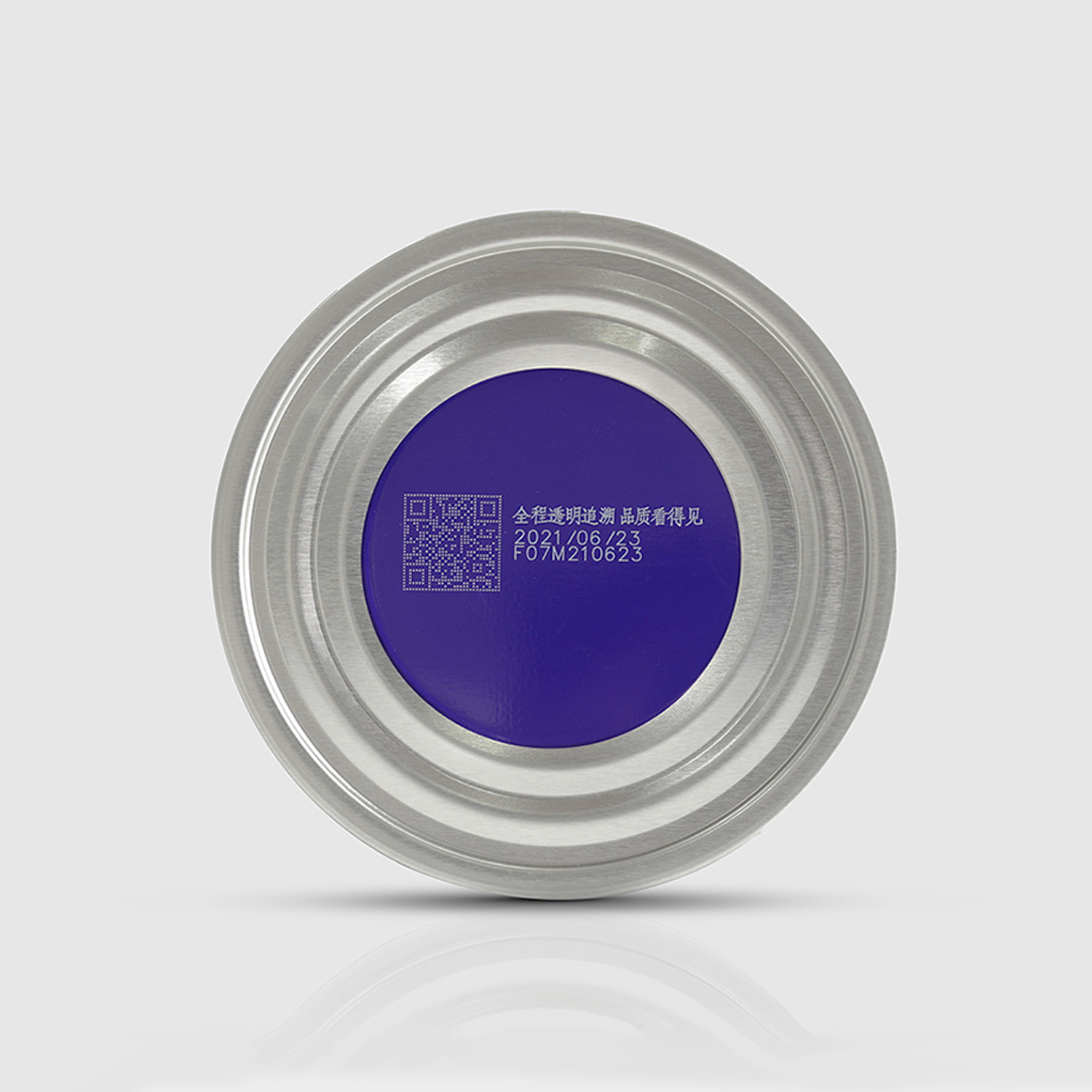
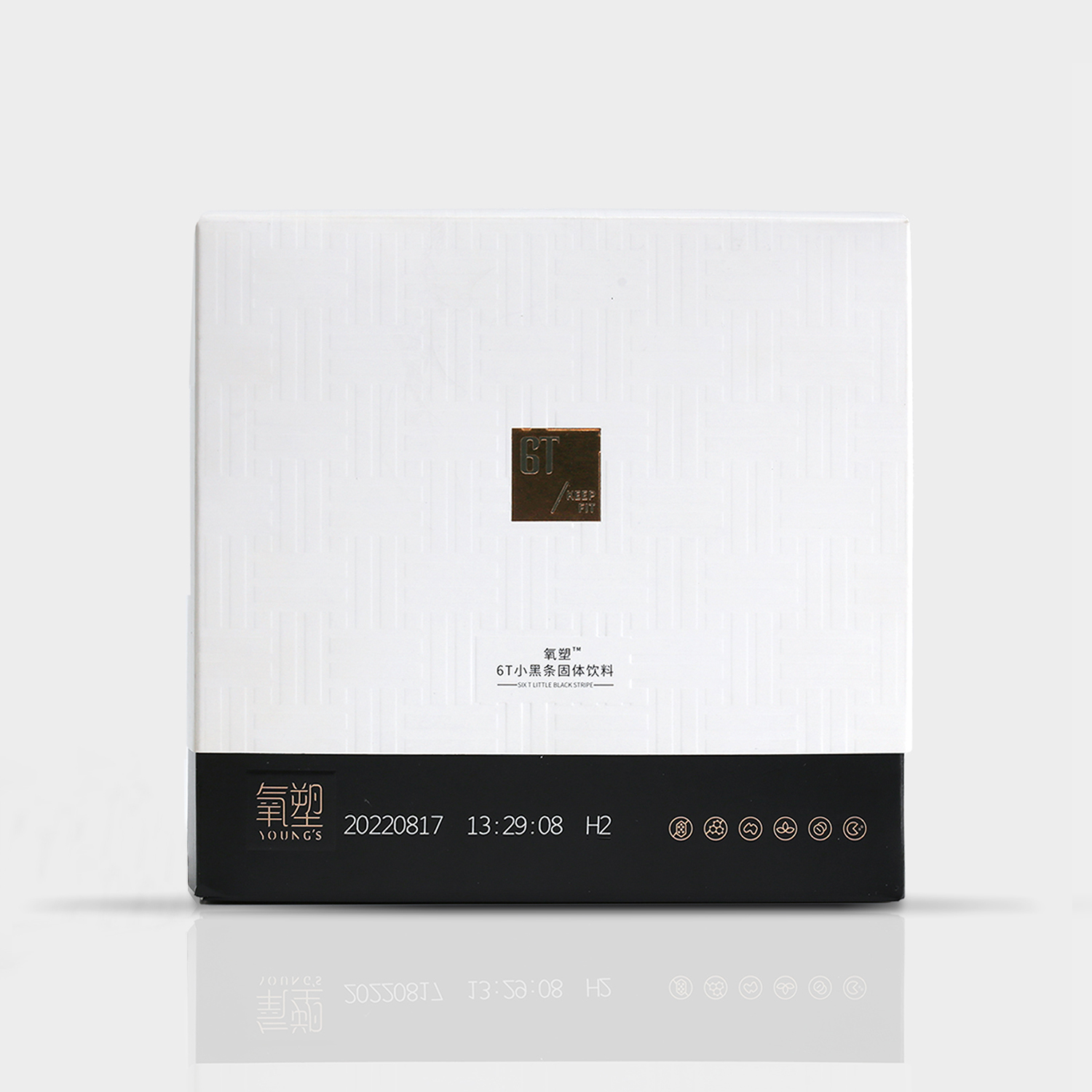
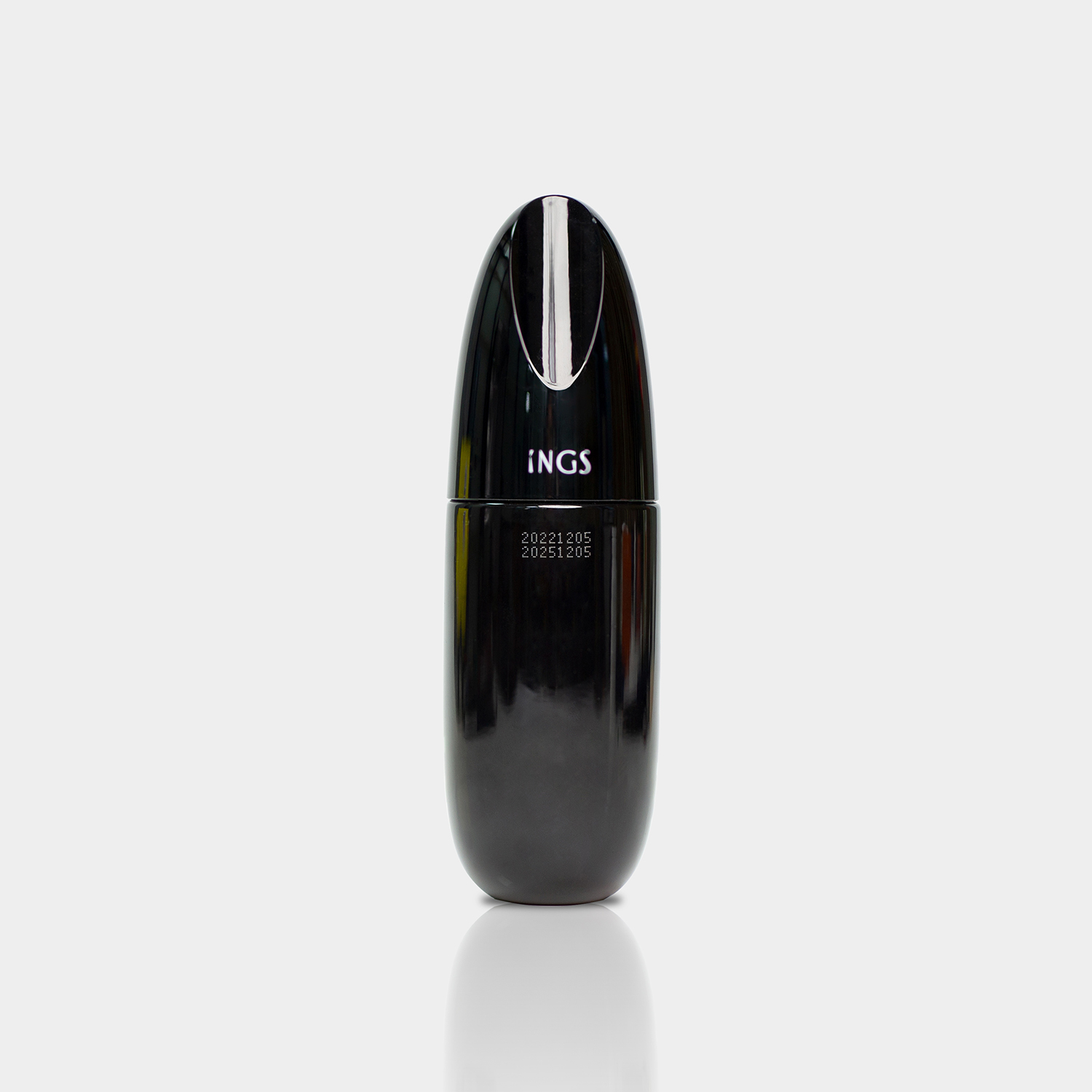
Carbon dioxide laser is a kind of marking equipment that uses gas lasers, which can strip paint on most non-metallic materials and some metal products for coding. Its marking principle is to use the laser beam in the infrared band to vaporize the surface of the processed body, so as to achieve the purpose of coding.
The carbon dioxide laser coding machine is characterized by fast marking speed, clear effect, wide range of application, simple operation, convenient maintenance, long life, etc. It is widely used in food, medicine, beverage, cosmetics, electronics, leather, wood, paper, plastic and other industries
List of items
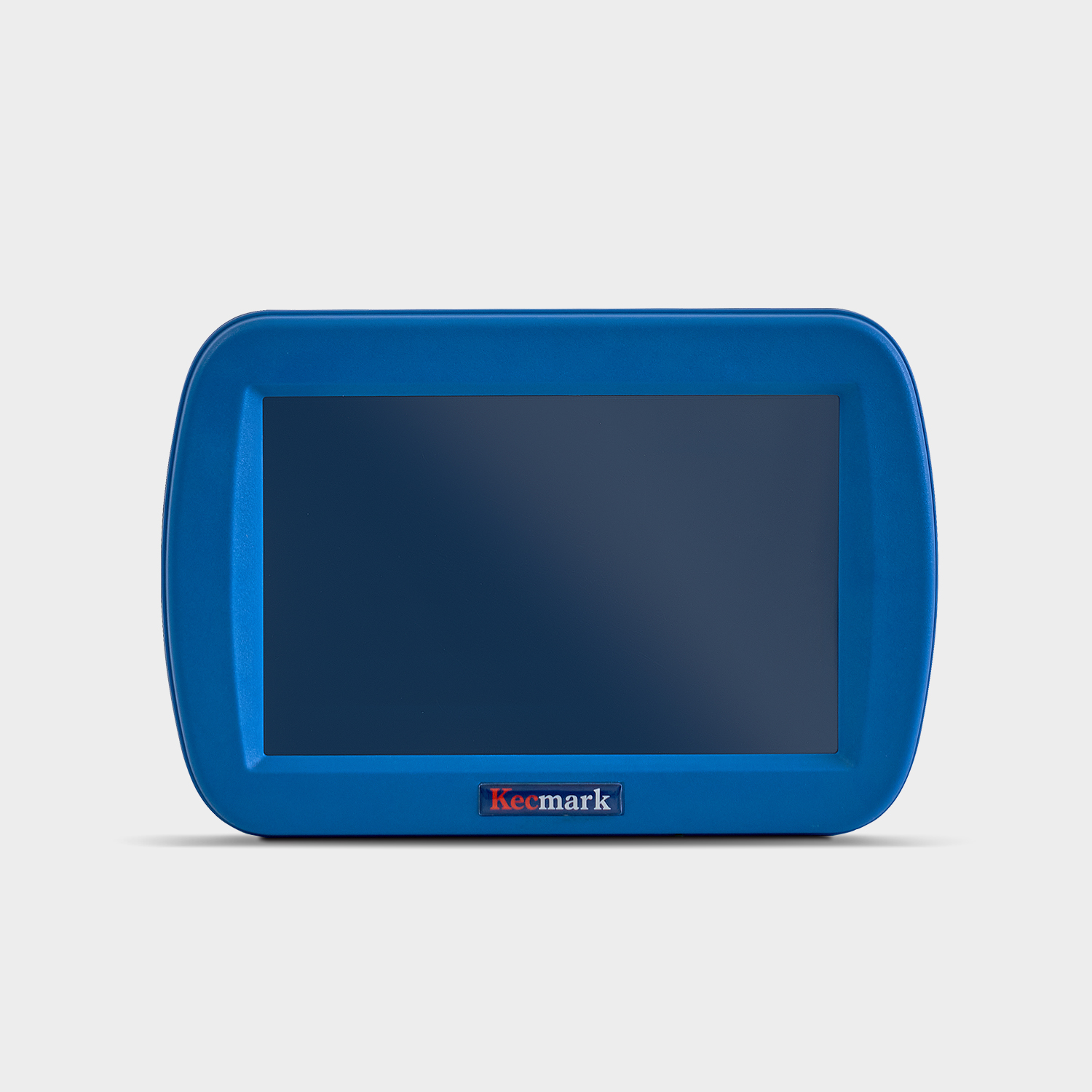
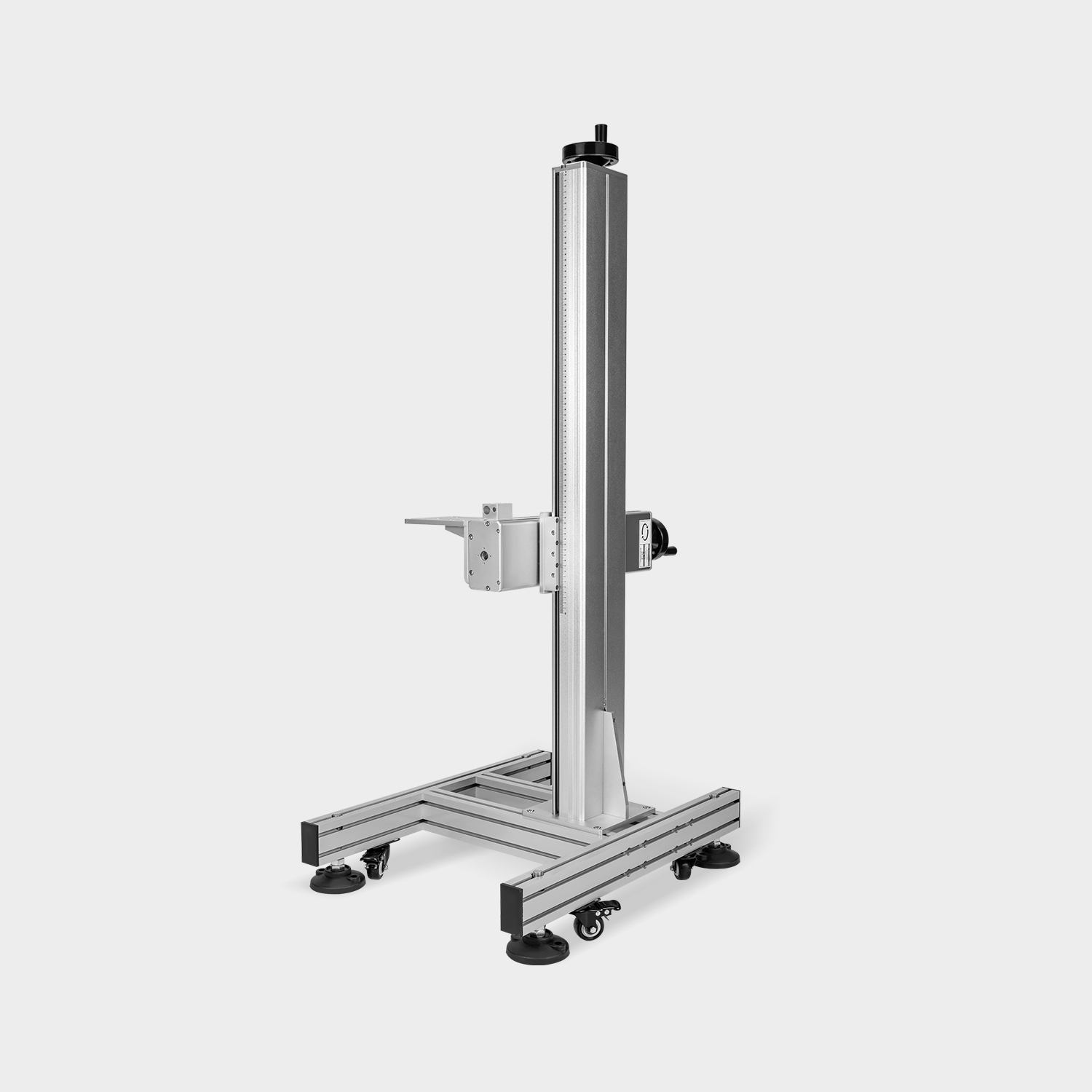
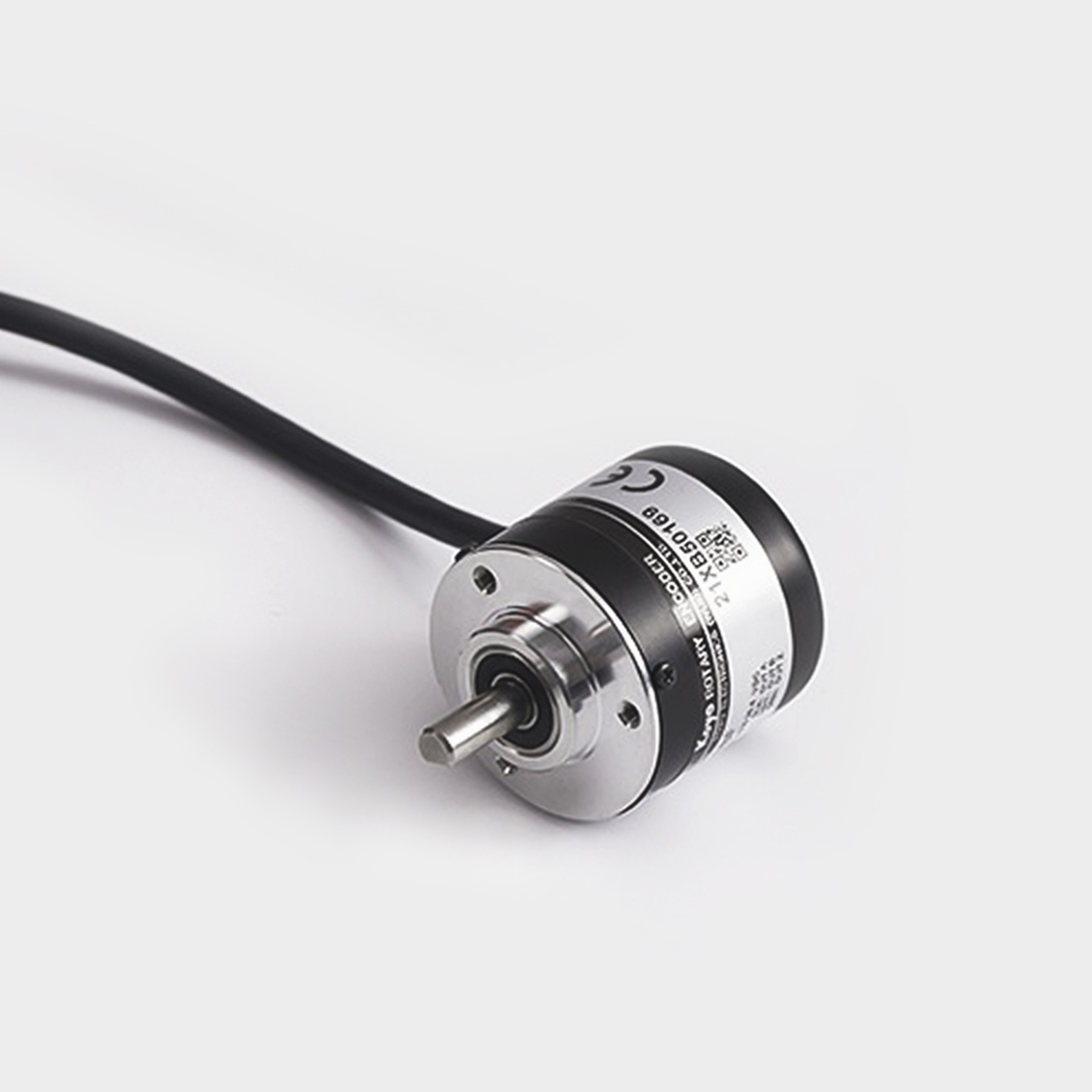
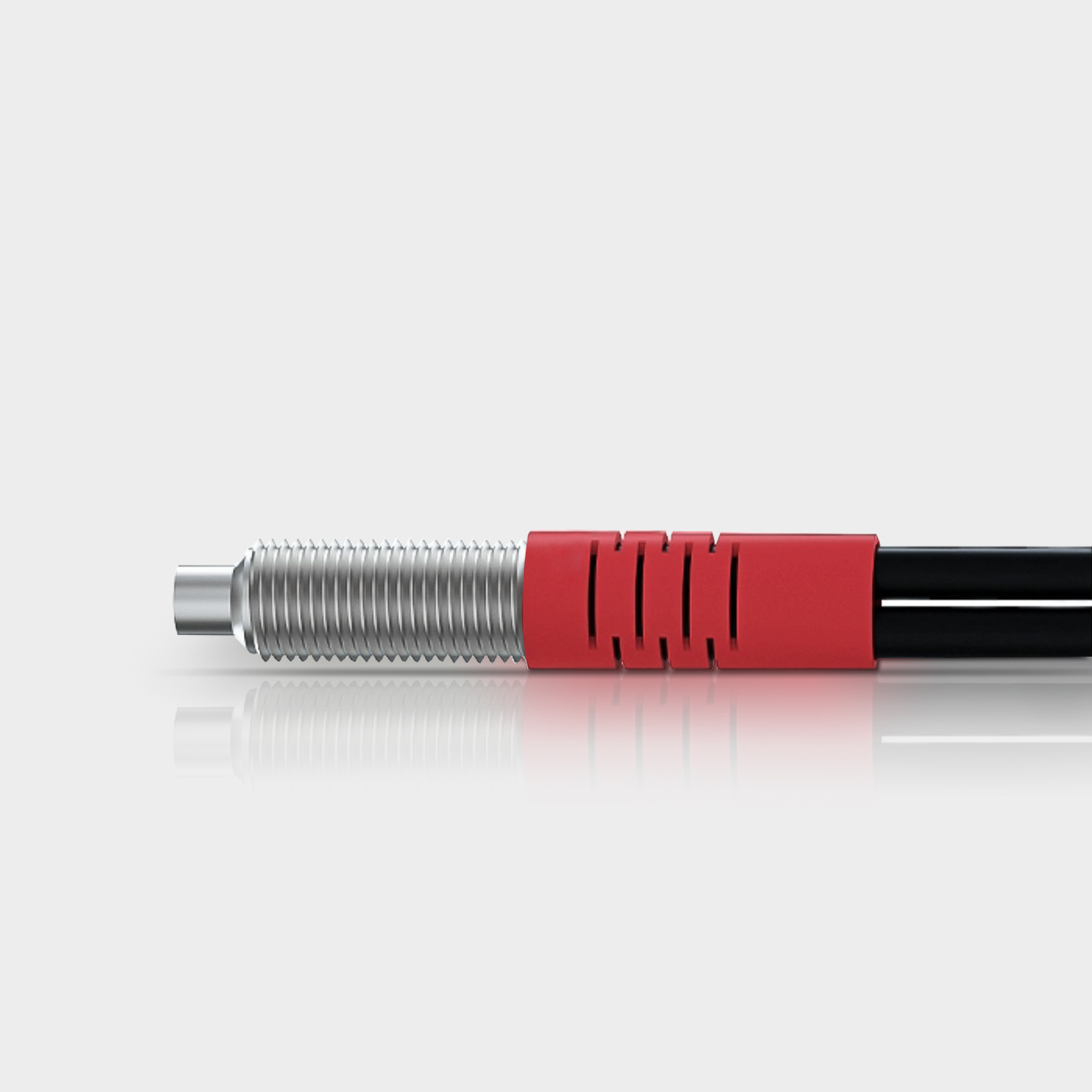
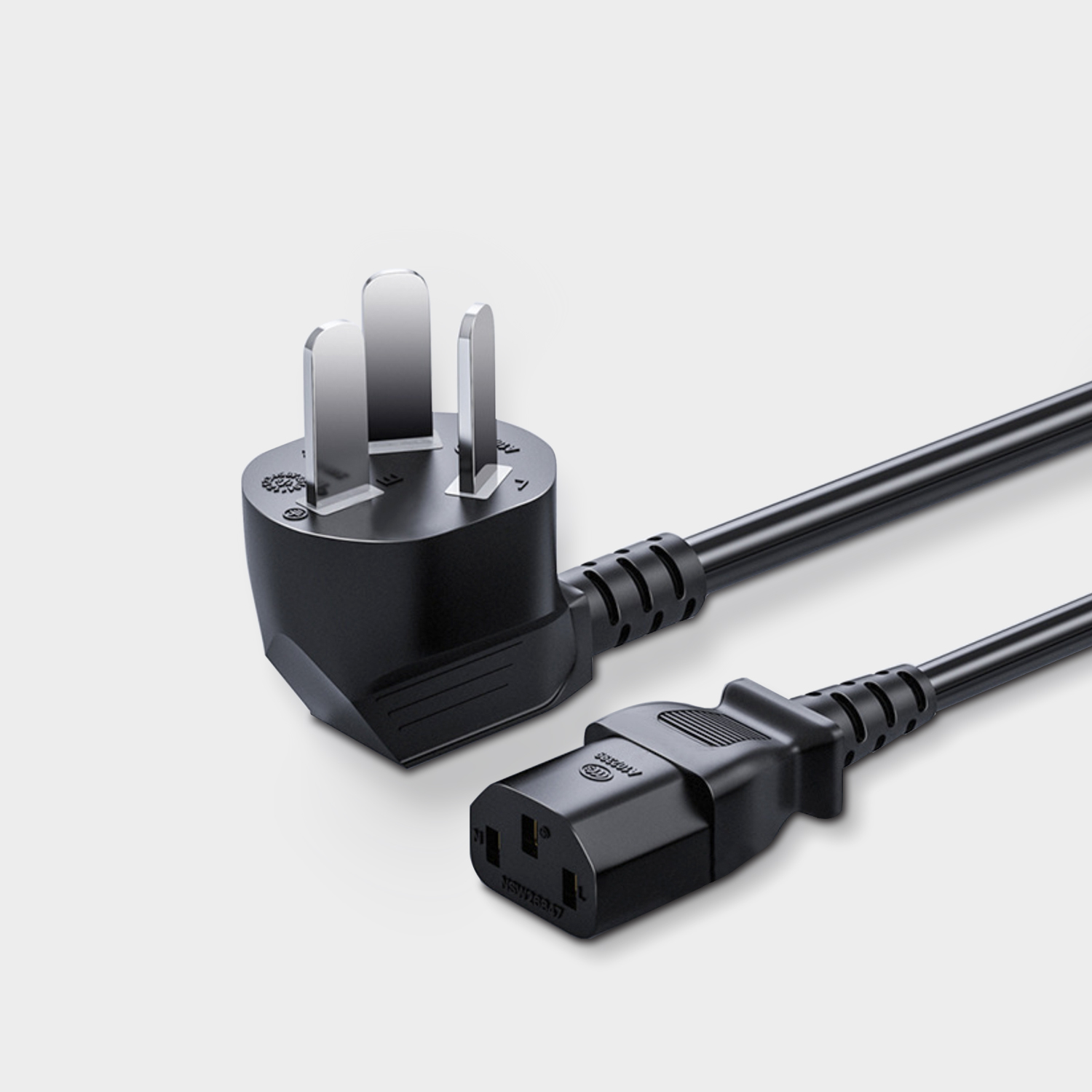
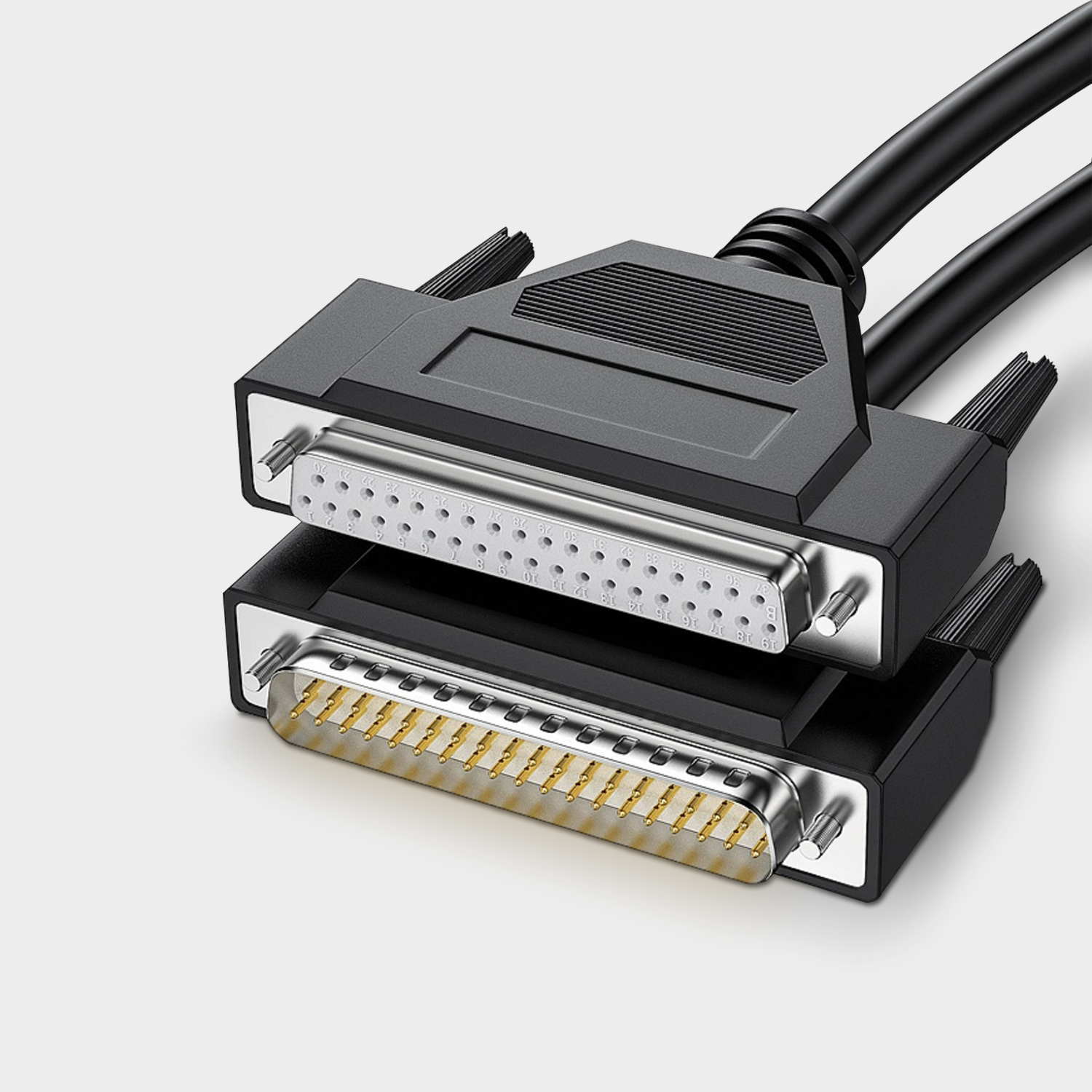
Each CO2 laser printer comes standard with the core and accessories including the following:
Lasers, electric control boxes, encoders, photoelectric sensors, touch all-in-one machines, lifting brackets, some wires and manuals, etc. In addition, customized accessories can also be equipped according to customer needs.
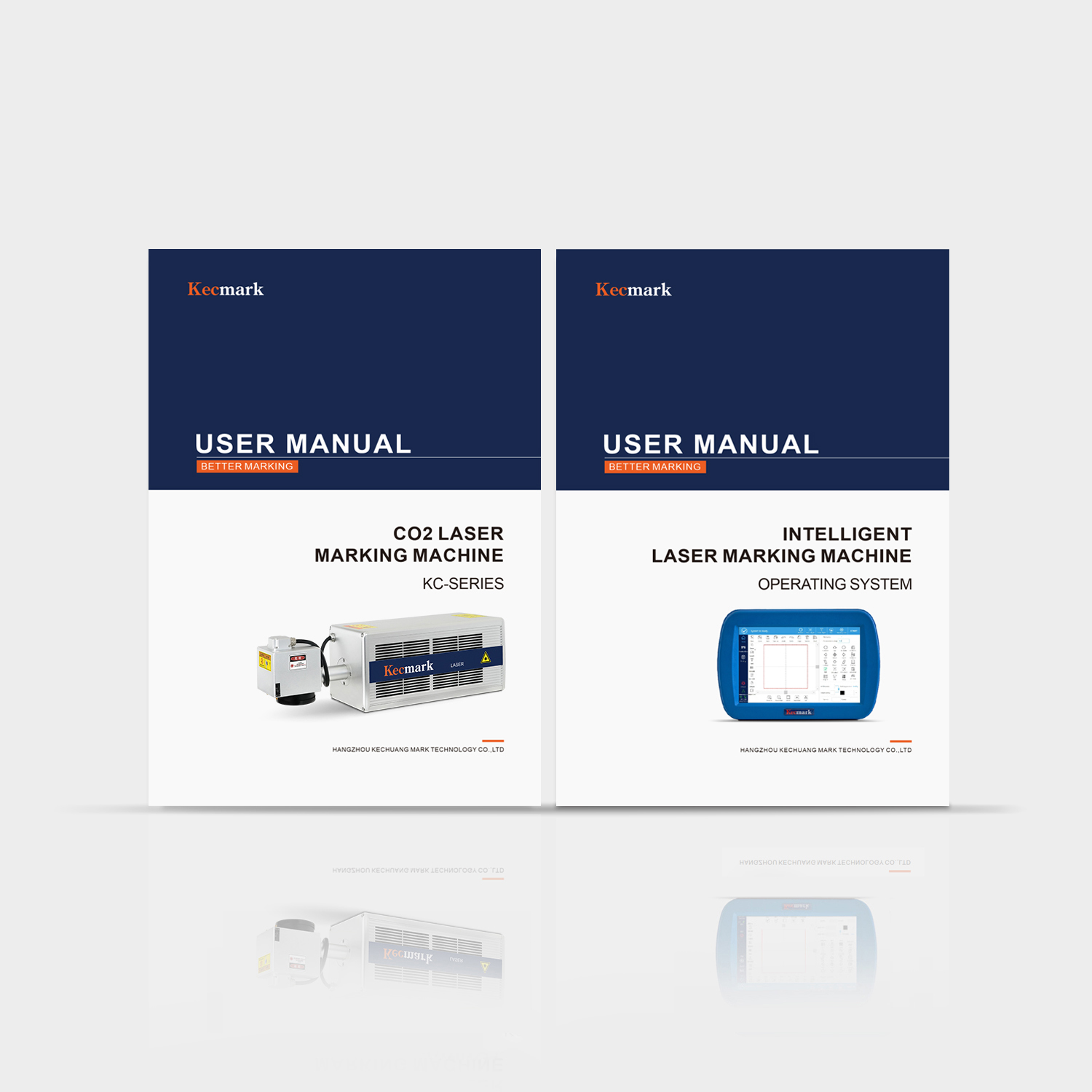
Technical Specifications
| Parameter | KC330i | KC30li | KC303i |
|---|---|---|---|
| Laser details | |||
| Laser type | Hermetically sealed CO2 RF lasers | ||
| Maximum output power | 30W | ||
| Laser wavelength | 10.6μm | 10.2μm | 9.3μm |
| Laser class | Class 4 laser products comply with IEC60825-1 standard | ||
| Performance | |||
| Maximum linear speed | 9m/s | ||
| Marking speed | Up to 30 characters/sec | ||
| Coding angle | Downward (90°) or flat (0°) | ||
| Mark the area | Coding Oval Area: Standard 100*100mm (customizable) | ||
| Marking heads and lenses | |||
| Vibrometer | 8mm、10mm | ||
| Beam expanders | Multiples of 3, multiples of 4 | ||
| Spot size | 140μm | ||
| Mark the distance | 165mm | ||
| Interface/Interface | |||
| Operator interface | Built-in 10 inch touch screen of win10 system | ||
| Communication interfaces | One Ethernet RJ45 port, one serial RS232, RS485, USB, SD card | ||
| Operating environment | |||
| Rated voltage | 200 – 240V 50/60Hz | ||
| The power of the whole machine | ≤300W | ||
| Ingress protection | IP54 (standard) and IP65 (optional) | ||
| Operating temperature | 5~40℃ | ||
| Humidity range | 90% max. (relative humidity, non-condensing) | ||
| Cooling method | Air cooling | ||
| Product quality | 16.5Kg | ||
[su_accordion]
[su_spoiler title=”What is Laser?” open=”no” style=”simple” icon=”plus” anchor=”” anchor_in_url=”no” class=””]
Tetum Russellis is an acronym for “Leyteamplifi Cation, Bisti Murat de Emision, Ben Radiateon”.
- Excellent monochromaticity (the beam consists of a purely single wavelength);
- Excellent directivity (the beam consists of parallel light waves that do not diffuse when propagating);
- High coherence (all the light waves of the beam are the same with each other).
[/su_spoiler]
[su_spoiler title=”What is the difference between a normal light and a laser beam?” open=”no” style=”simple” icon=”plus” anchor=”” anchor_in_url=”no” class=””]
Lasers emit beams of light with high directionality, i.e., the light waves that are composed of light travel in a straight line and do not diffuse. The light waves emitted by ordinary light sources diffuse in all directions.
The light waves within the laser beam are all of the same color (this property is called monochromacy). Ordinary light, such as that emitted by fluorescent tubes, is generally a mixture of several colors of light that appears white.
When light waves within a laser beam propagate, they oscillate in perfectly synchronized peaks and troughs, a property known as coherence.
[/su_spoiler]
[su_spoiler title=”Is laser visible light?” open=”no” style=”simple” icon=”plus” anchor=”” anchor_in_url=”no” class=””]
The laser itself is invisible. Due to the highly directional nature characteristic of lasers, we cannot see the path of the beam. Usually we can only see the diffuse reflection and reflection of the laser on any object. In an environment where there is mist or particles in the air, we can see the path of the beam because the light is diffusely reflected and reflected by the particles.
[/su_spoiler]
[su_spoiler title=”Is the laser code permanent?” open=”no” style=”simple” icon=”plus” anchor=”” anchor_in_url=”no” class=””]
One of the main features of laser markers is that they can print semi-permanent printed images. Since the laser marker physically processes the surface of the target, the printed image cannot be removed as easily as the image printed with ink. This feature has led to the increasing popularity of laser markers in recent years in terms of security applications (anti-counterfeiting).
[/su_spoiler]
[su_spoiler title=”Is it possible to look directly at the laser?” open=”no” style=”simple” icon=”plus” anchor=”” anchor_in_url=”no” class=””]
Never look directly at the laser, a laser that is specularly reflected, or a laser that is diffusely reflected. If the eye is directly exposed to lasers, it can lead to blindness. All laser products use 4 types of lasers, which cannot directly contact the body and skin.
[/su_spoiler]
[su_spoiler title=”What maintenance does a laser marker need?” open=”no” style=”simple” icon=”plus” anchor=”” anchor_in_url=”no” class=””]
The maintenance-free laser marker is one of the main advantages of this product. If the lens surface becomes dirty, it should be cleaned, as a dirty lens can degrade the print quality or cause some parts of the printed image to be missing.
[/su_spoiler]
[su_spoiler title=”What is the best way to clean the lens?” open=”no” style=”simple” icon=”plus” anchor=”” anchor_in_url=”no” class=””]
Swabing in a circular shape from the center of the lens outward is the most effective method. Never use a dry cloth to wipe the lens, as this may scratch the lens or wear off the protective coating.
[/su_spoiler]
[su_spoiler title=”Is laser marking affected by device vibrations?” open=”no” style=”simple” icon=”plus” anchor=”” anchor_in_url=”no” class=””]
Laser markers use precise optical control. For this reason, if vibrations occur during marking:
- The marking coordinates may be offset;
- The text may be distorted;
- Other problems may arise as well.
If environmental vibrations affect the laser marker, use an anti-vibration bracket or take other precautions to eliminate the vibrations.
[/su_spoiler]
[su_spoiler title=”Do you need to replace your air filter when it gets dirty?” open=”no” style=”simple” icon=”plus” anchor=”” anchor_in_url=”no” class=””]
Yes. When an air filter becomes dirty, it needs to be cleaned or replaced. If the condition of the filter is ignored, the cooling performance will be reduced, which may reduce the laser output or cause damage.
[/su_spoiler]
[su_spoiler title=”Can I engrave on a moving target?” open=”no” style=”simple” icon=”plus” anchor=”” anchor_in_url=”no” class=””]
Yes, the laser marker is able to adjust the position of the laser to follow the product and thus mark on a moving target. This function can be automatically set for both constant and variable speed lines.
[/su_spoiler]
[su_spoiler title=”Does engraving on glass cause cracking?” open=”no” style=”simple” icon=”plus” anchor=”” anchor_in_url=”no” class=””]
The results depend on the type of glass used. Since glass is transparent, it is usually marked using the heat generated by a CO2 laser. For heat-resistant materials such as quartz glass, clear, crack-free engravings are produced. In contrast, applying heat to soda-lime glass can cause fine wrinkles, so repeated scans must be performed with a low power setting.
[/su_spoiler]
[su_spoiler title=”How much does it cost to run?” open=”no” style=”simple” icon=”plus” anchor=”” anchor_in_url=”no” class=””]
Zero cost, in principle, there is no cost other than the daily cost of electricity. The use of photolithography makes the laser marking machine have the two characteristics of “no consumables” and “long service life”. Laser markers significantly reduce many of the steps of material management and eliminate the cost of ink and labels.
[/su_spoiler]
[/su_accordion]
Document downloads
| Filename | File size | File type |
|---|---|---|
| The main products of science and technology | 5M |