
Ultraviolet laser printer
UV905i
New Ultraviolet Laser Marking Machine, specifically engineered for compact space integration. Featuring a 70mm short-focus optical system, it seamlessly fits within various packaging machinery structures. Easily embeddable into packaging machines, production lines, or confined workspaces, it perfectly replaces TTO thermal transfer printing.
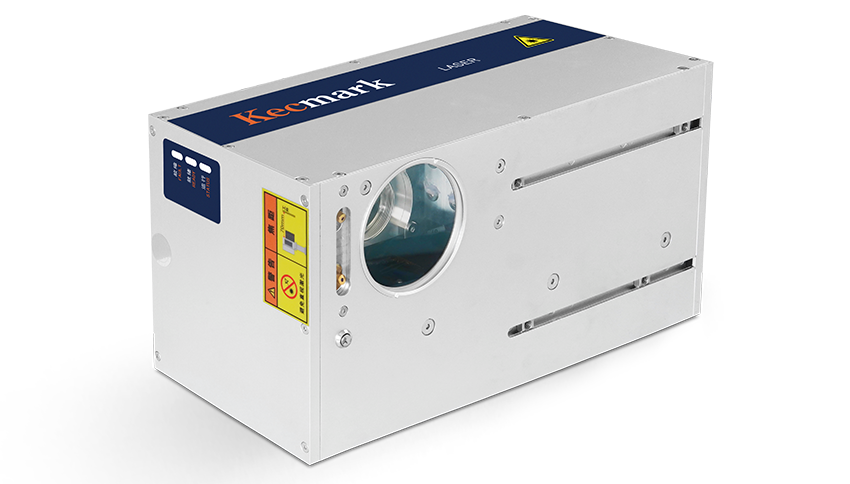
Laser
Ejection Window
Red light
Indicator light
Product Overview
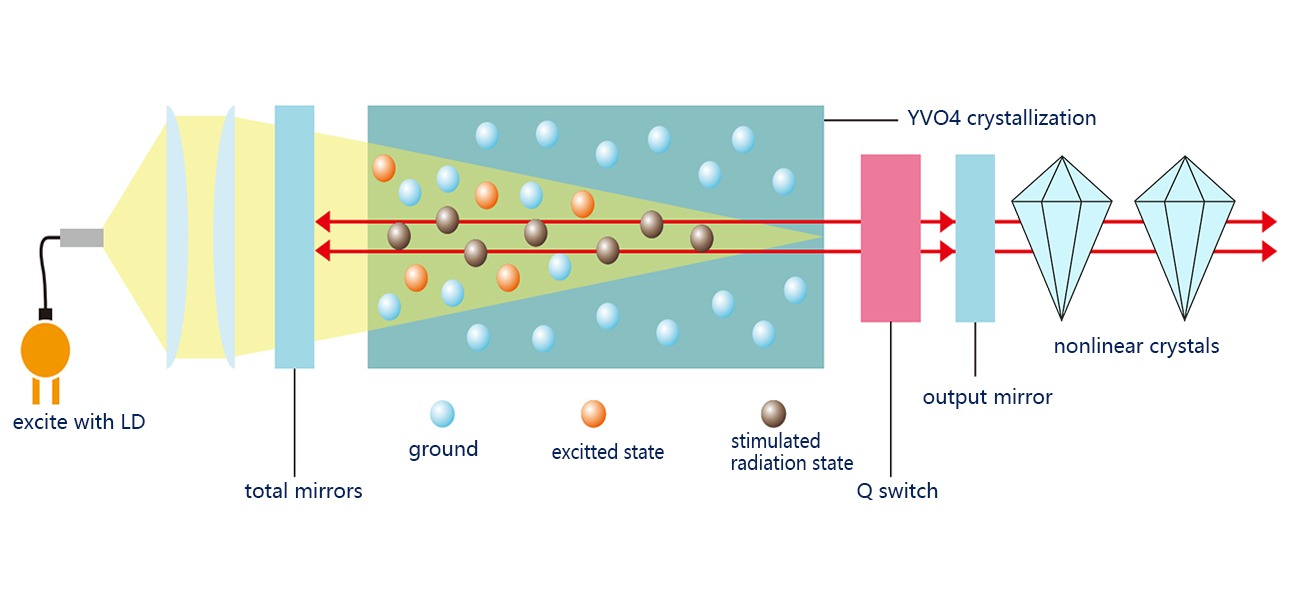
The wavelength of the ultraviolet laser is 1/3 of the basic wavelength (1064nm), and it is a laser in the ultraviolet region, so it is called “ultraviolet laser printer”. In addition, it is also known as THG (Third Harmonic Generation) laser. The fundamental wavelength is converted to a wavelength of 532 nm plus the basic wavelength through a nonlinear crystal, and then converted to a wavelength of 355 nm by another single crystal. The absorption rate of each material is very high, and because it can be marked and processed without heat stress, this type of marking is called “cold marking”.
The wavelength of the light greatly affects the spot diameter of the laser. Since the UV wavelength (355 nm) is 1/3 of the basic wavelength (1064 nm), the spot size can be concentrated even in a small area, making it possible to mark even in a confined space.
Product Advantages
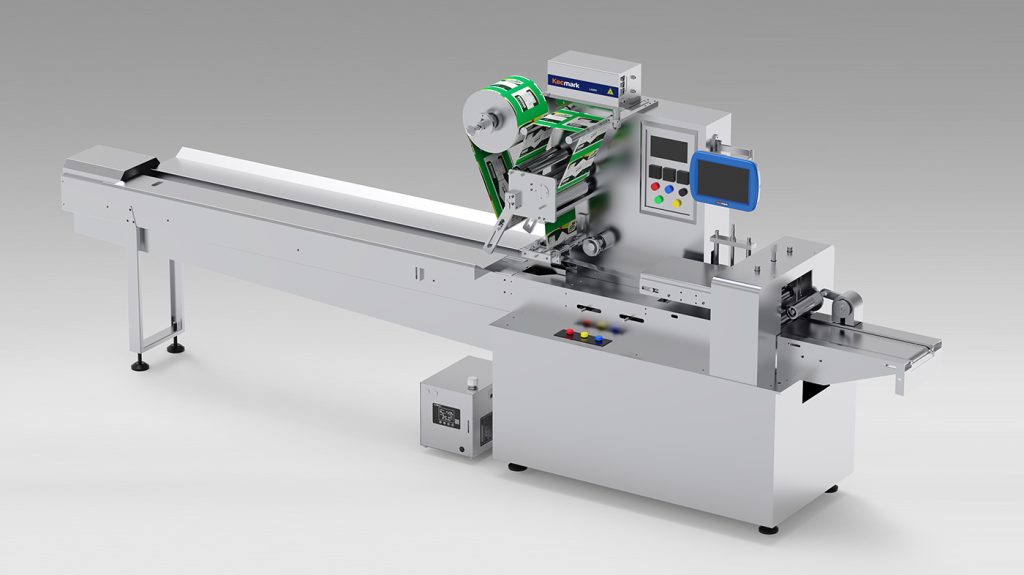
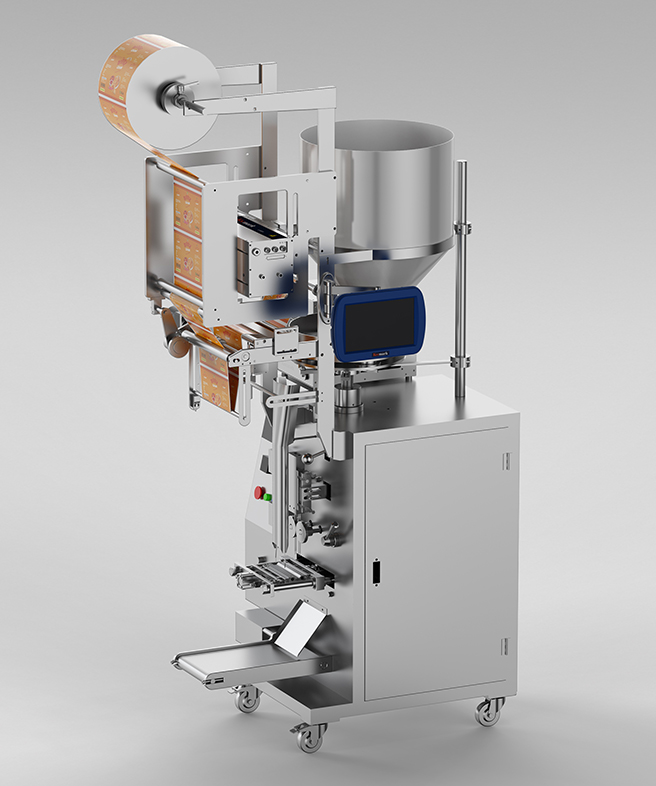
Compact size for easy installation, simple operation
The compact and streamlined body design allows for easy replacement of existing inkjet printers, TTO thermal transfer printers, and other printing equipment. A specially designed mounting bracket simplifies installation, ensuring effortless setup even in confined spaces.
TTO thermal transfer operation is relatively complex, requiring skilled professionals with specific expertise and experience. Novices may struggle to master it quickly. This complexity can lead to increased training costs. In contrast, laser coders feature an intelligent control system with plug-and-play functionality, significantly lowering the operational threshold. This ensures even users with no prior experience can operate them efficiently.
Zero consumables cost
UV laser marking machines utilize photolithography technology for coding, eliminating the need for consumables. Compared to traditional marking equipment, they not only eliminate the need for ribbon and printhead replacements in TTO thermal transfer printers but also avoid the regular ink, solvent, and filter replacements required by inkjet printers. This achieves truly zero consumable costs while eliminating the hassle of routine maintenance checks.
Inhibits thermal damage
Photolysis treatment inhibits damage
UV lasers have a large energy of photons, and can be used to directly cut off the intermolecular bond. Therefore, without heating the surface, it is possible to perform marking and processing to suppress damage.
Photolysis treatment inhibits damage
It also has a high absorption rate for materials with high reflectivity, such as gold, silver, and copper, and does not generate unnecessary thermal stress. As a result, it is possible to suppress the generation of soot and burrs without damaging the surface state, and to achieve high corrosion resistance for marking and processing.
Photolysis treatment inhibits damage
As electronic parts become smaller year by year, the thickness of the packaging resin part is also decreasing. If a basic wavelength laser (1064nm) is used, it may pass through the encapsulation resin and cause internal damage. If a UV laser (355nm) is used, it can suppress the penetration of the laser into the interior with a high absorption rate.
Ultraviolet laser coding case
UV laser marking (355nm) is ideal for heat-sensitive materials like food packaging, pharmaceuticals, silicon wafers, and LCD screens. Its short wavelength breaks molecular bonds directly, enabling precise marking without thermal damage.
Marking on metal, plastic, ceramics, glass, rubber, textiles, masonry, corrugated cardboard, flexible films, foils, labels and other materials.
It delivers high precision, efficiency, and fade-resistant marking with low noise and energy consumption—ideal for food, pharmaceutical, and consumer goods industries, supporting Industry 4.0 production.
Product Applications
The main application scenarios of UV laser coding machine:
1. Food industry: avoid air leakage caused by laser penetration through the outer packaging when coding.
2. Pharmaceutical industry: to achieve high color and no thermal damage coding, at the same time with visual readability, in line with the corresponding regulations and standards.
3. Sanitary products industry: use cold light source for coding, and refuse dust explosion caused by coding.
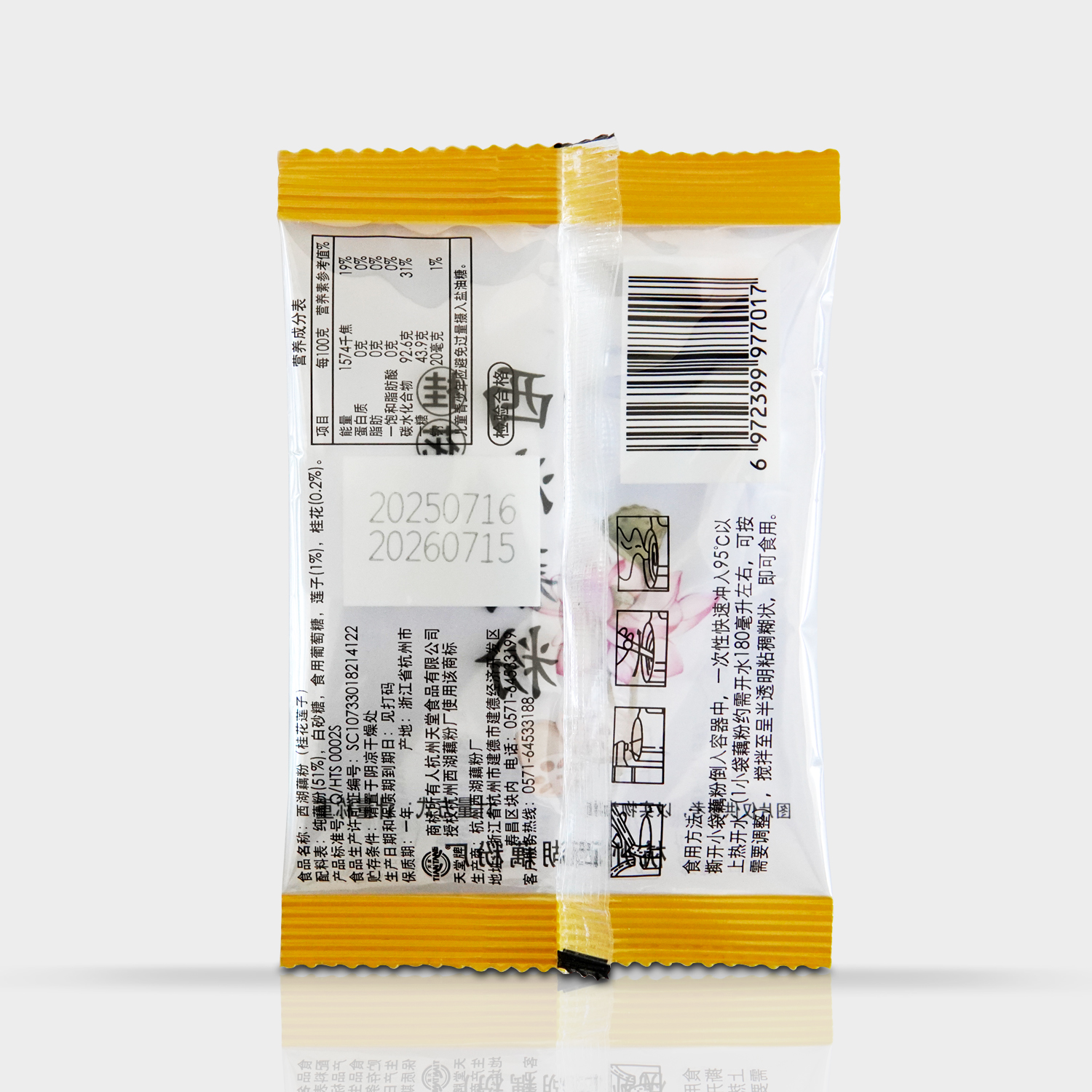
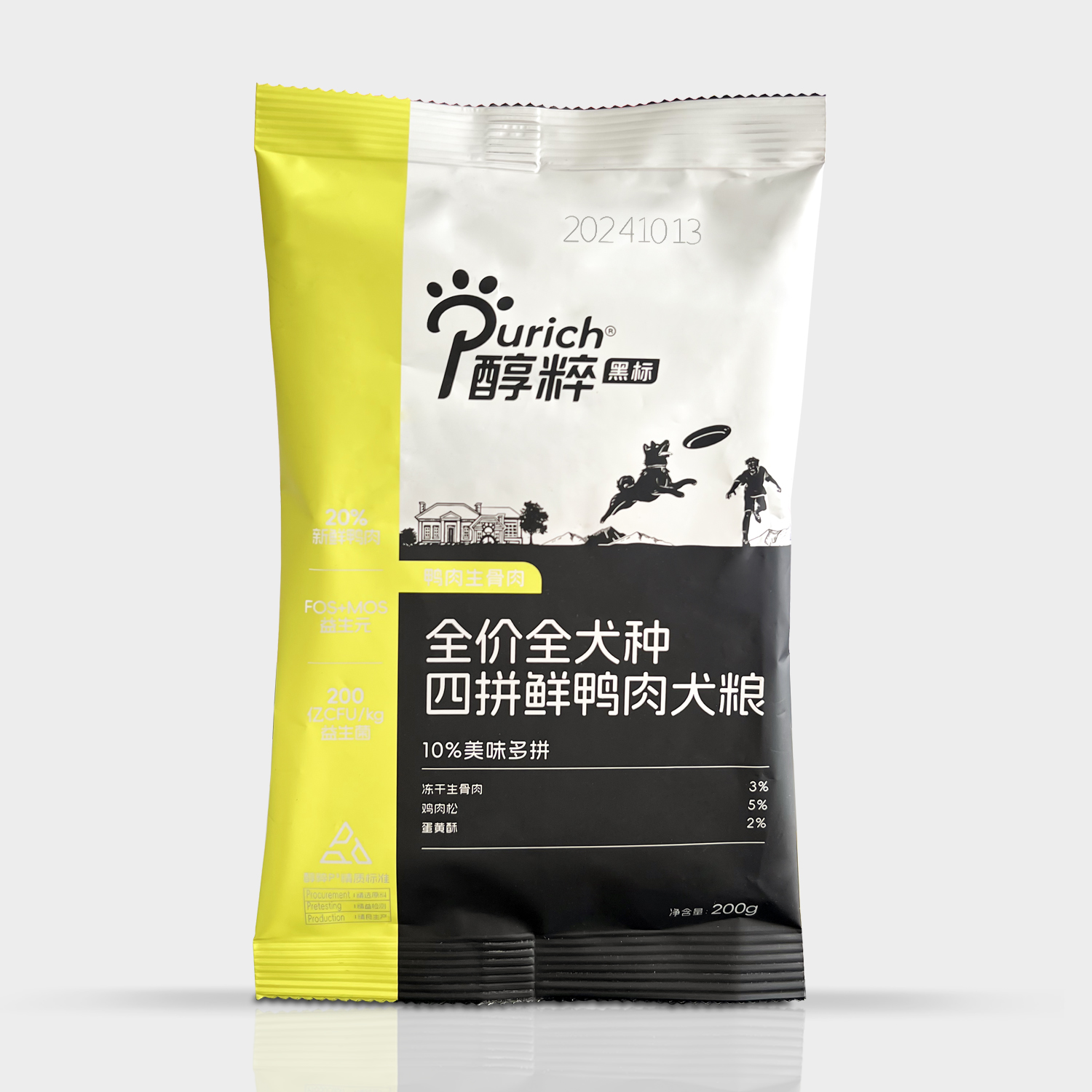
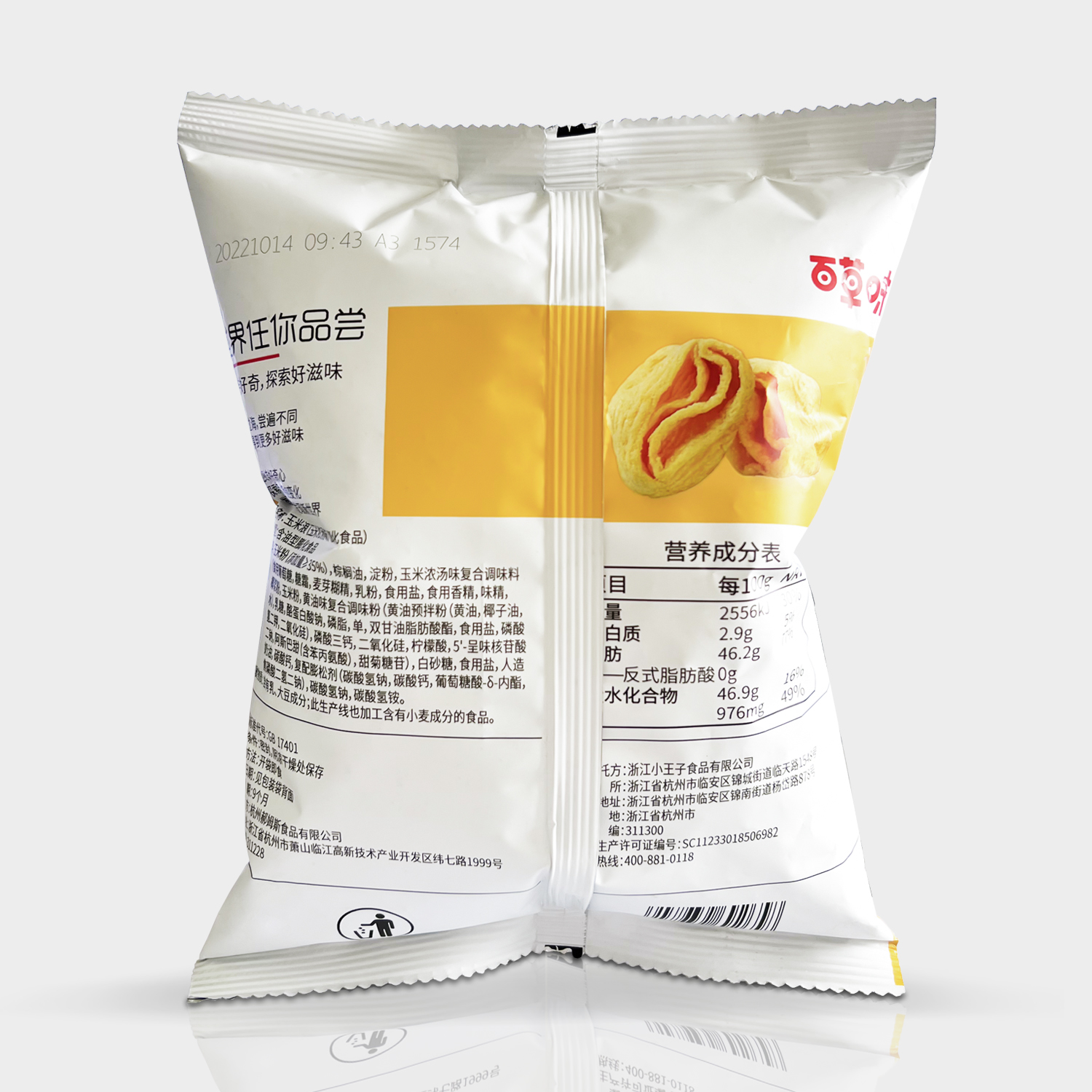
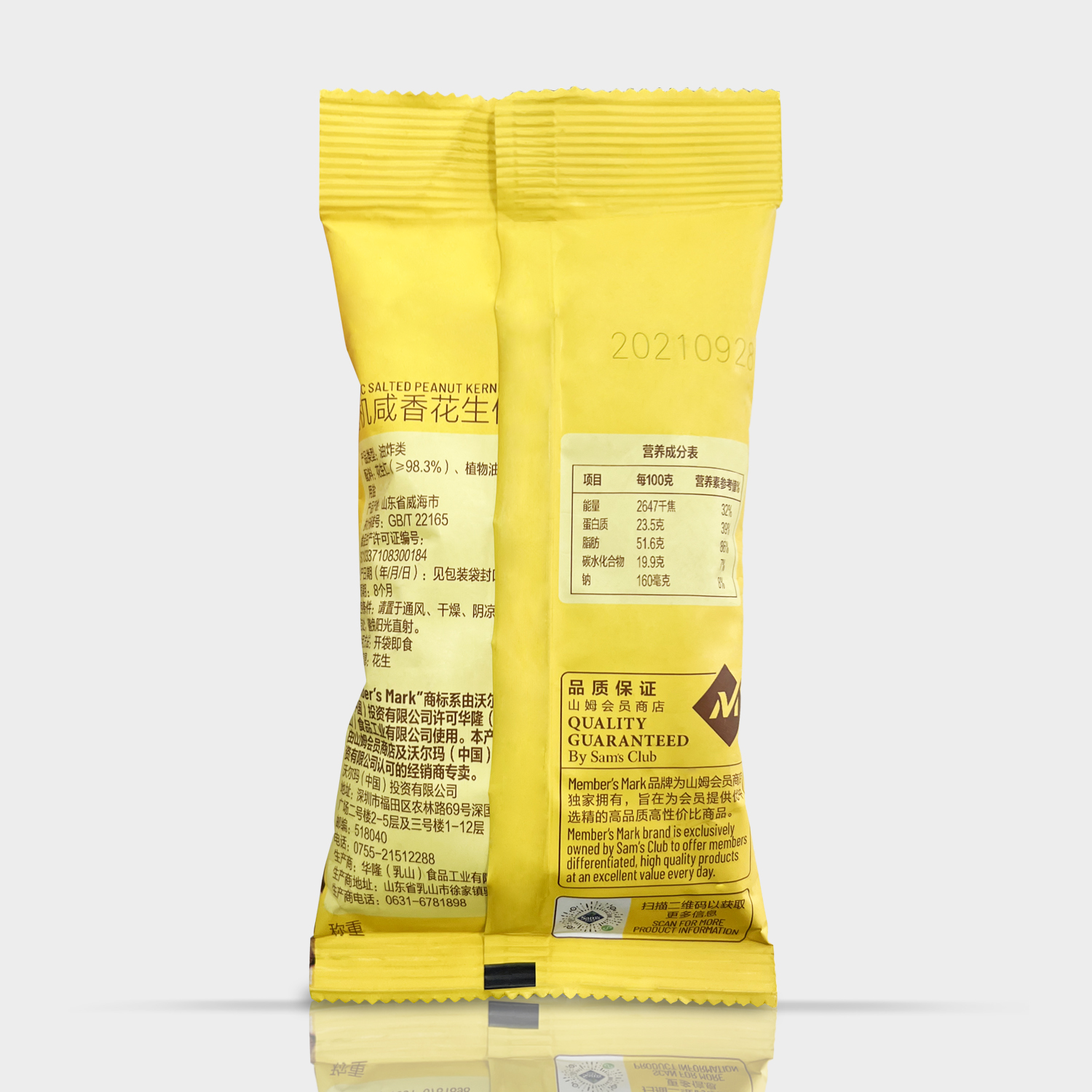
List of items
Each UV laser marking machine comes standard with the following core components and accessories:
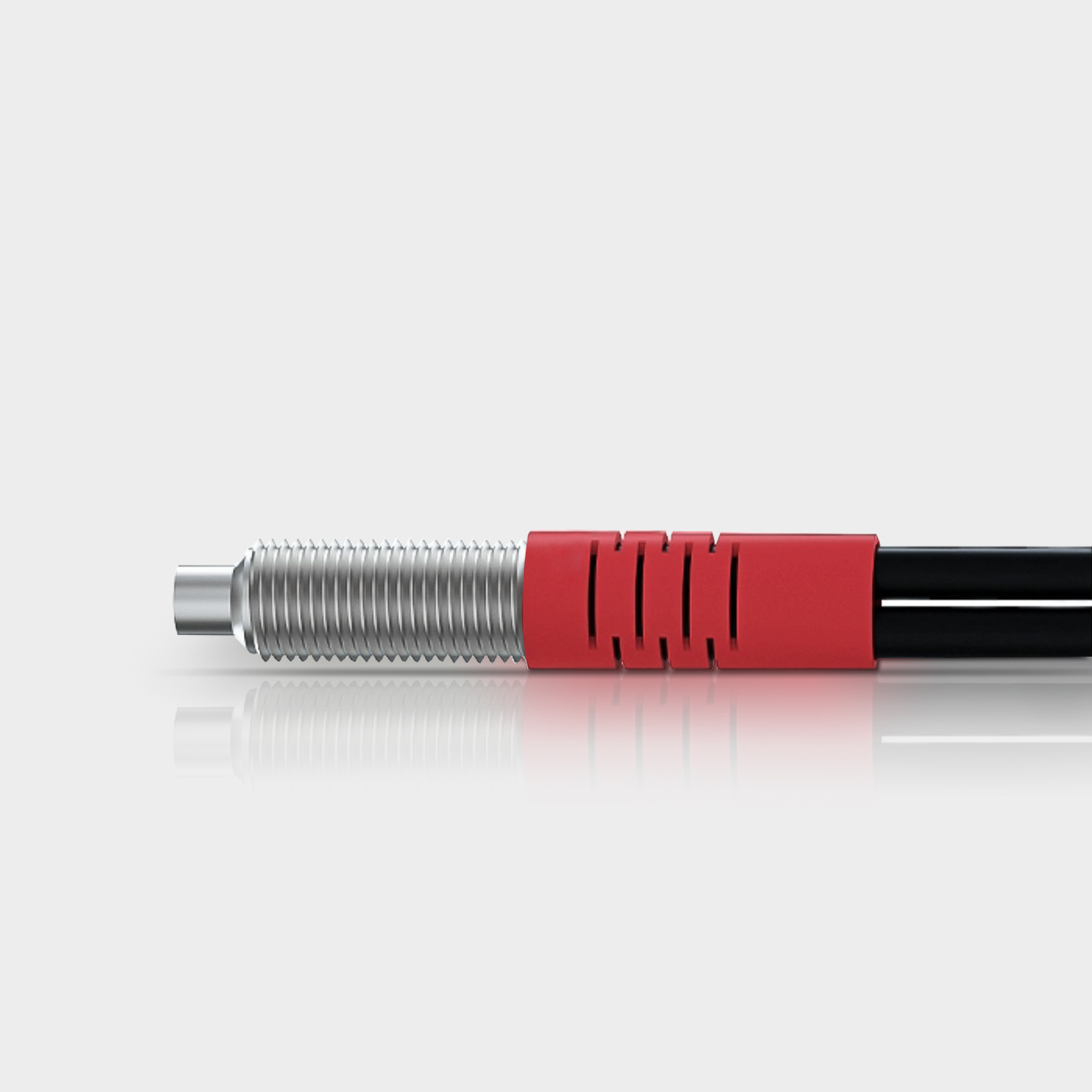
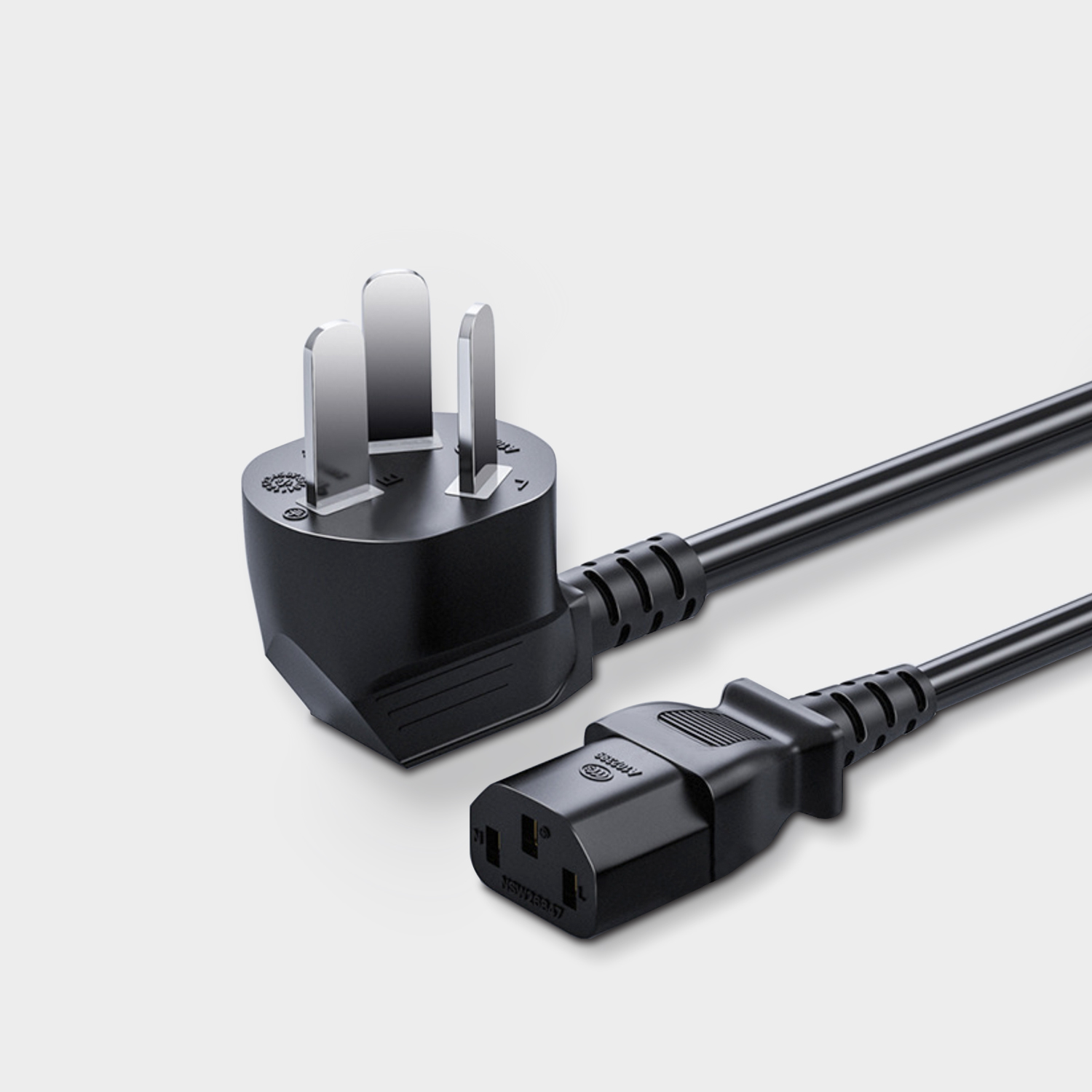
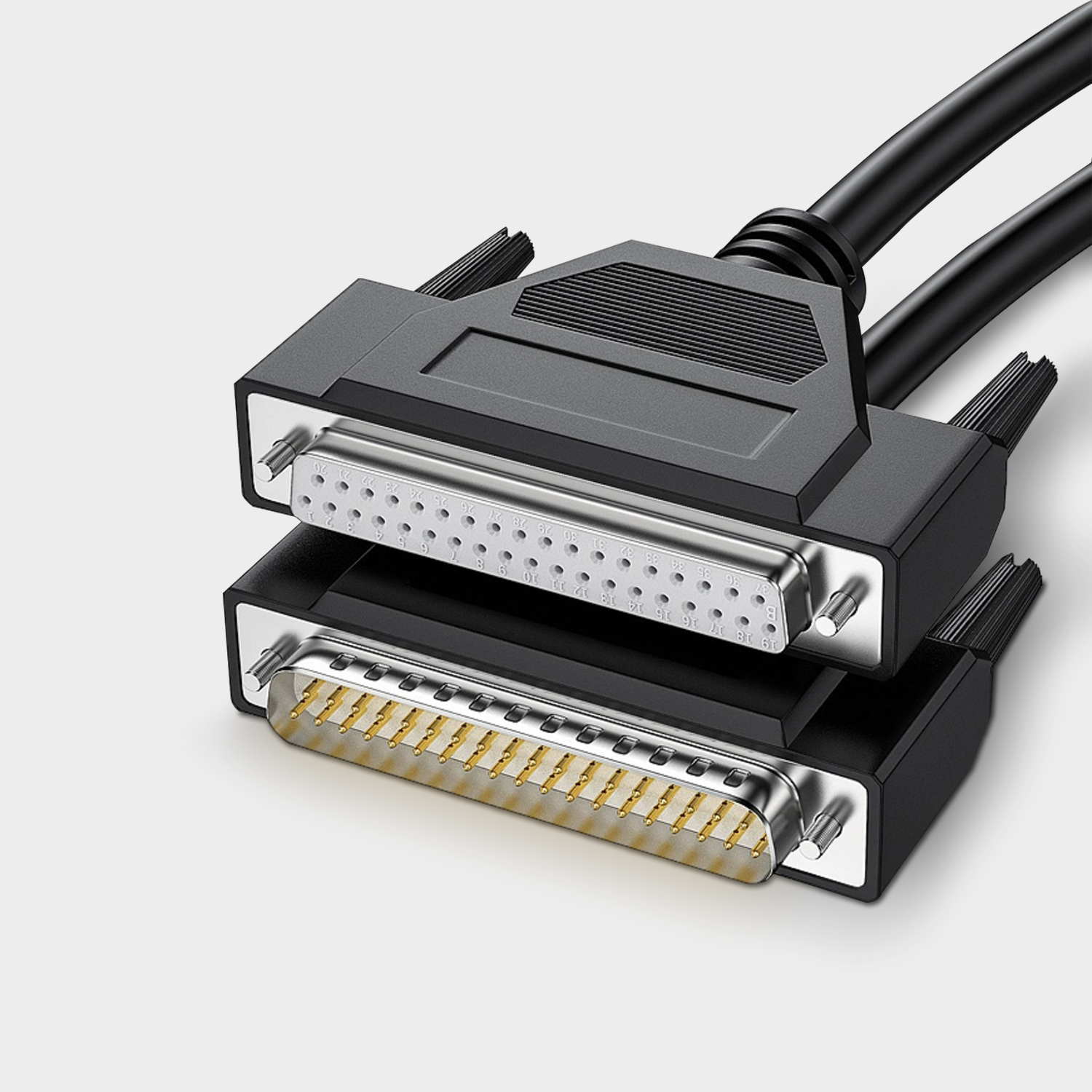
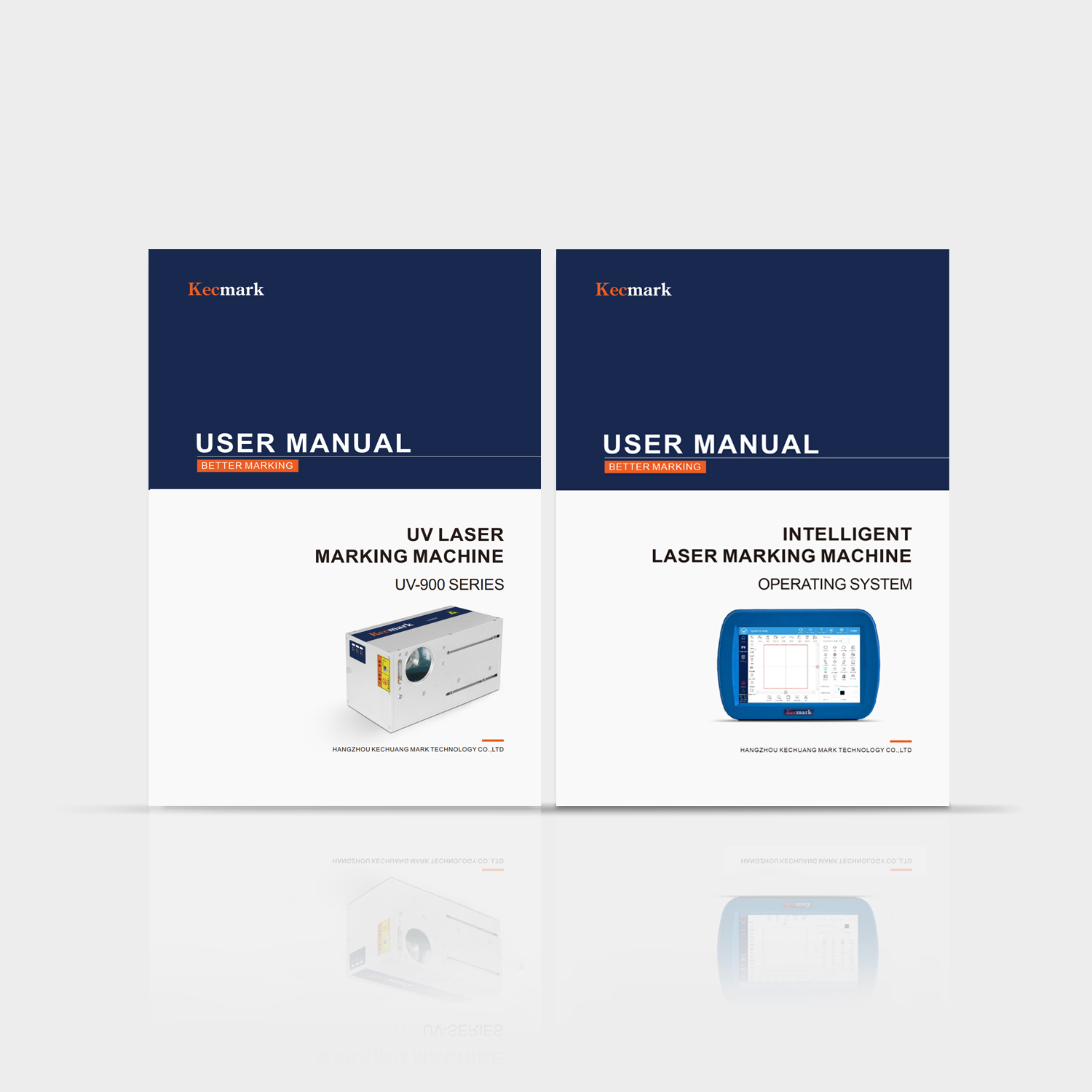
Laser source, touchscreen all-in-one unit, water cooling unit, mounting bracket, encoder, photoelectric sensor, various cables, and instruction manual. Additionally, customized accessories can be precisely configured to meet specific customer requirements.
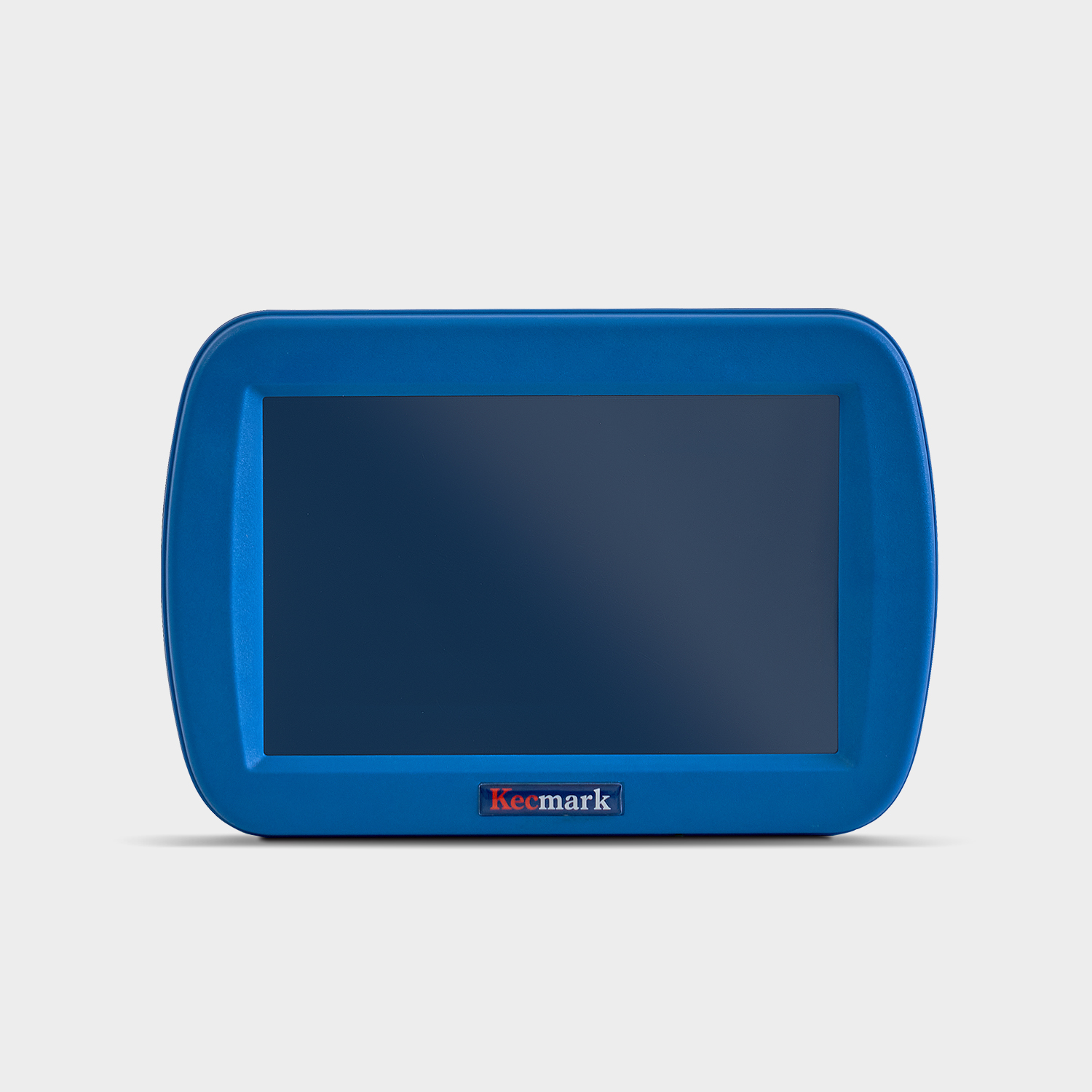
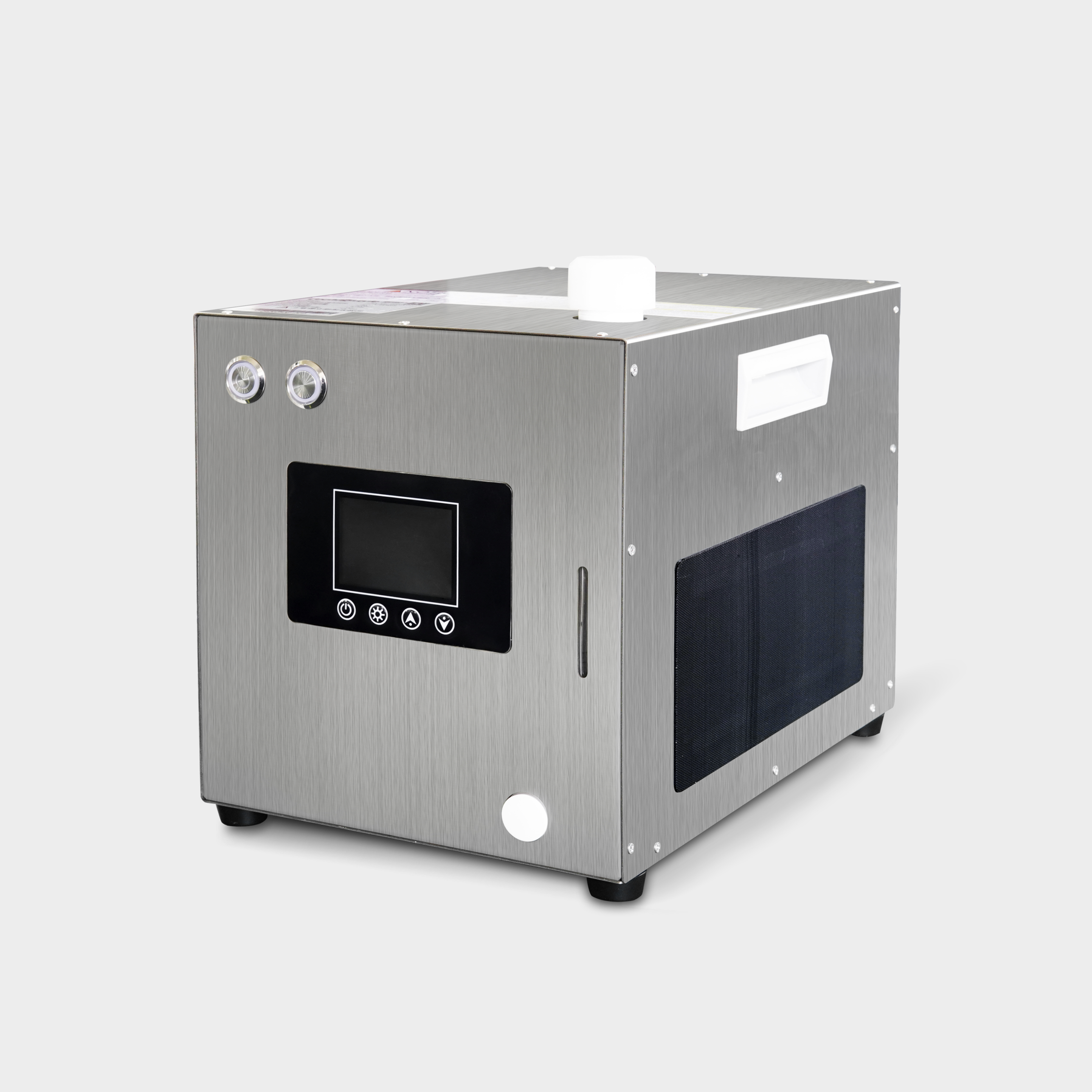
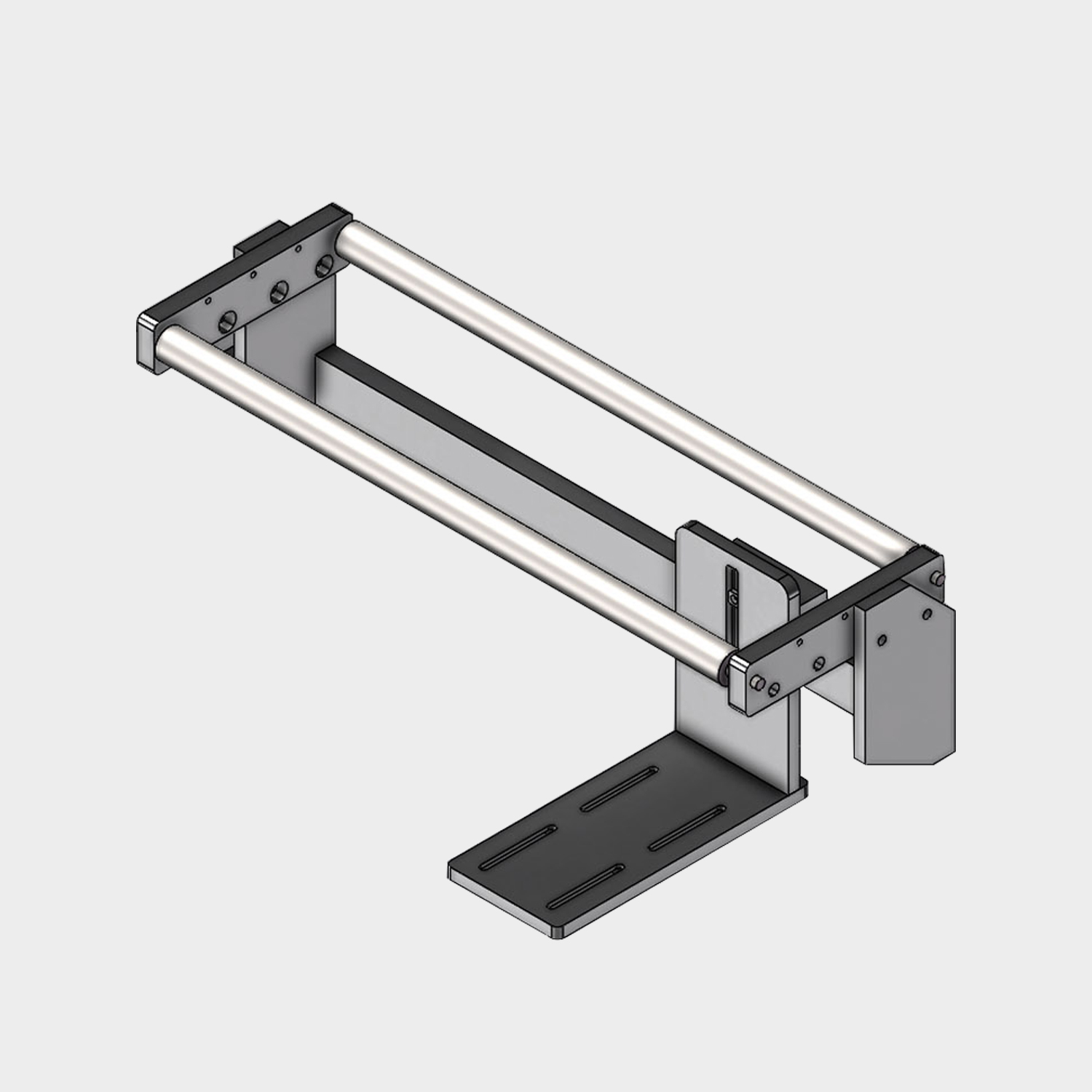
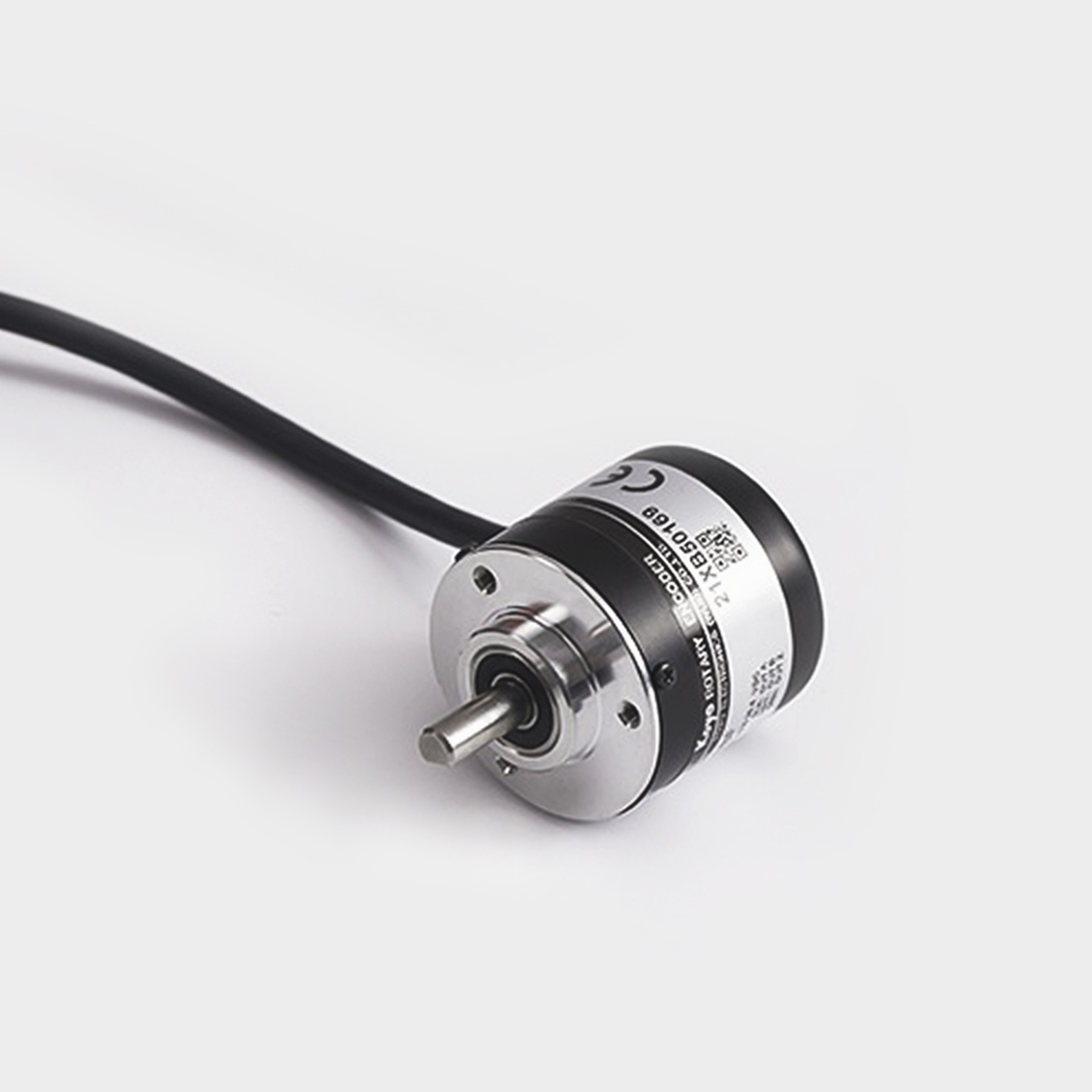
Technical Specifications
| Parameter | UV905i | ||
|---|---|---|---|
| Laser details | |||
| Laser type | Q-switched pulsed lasers | ||
| Maximum output power | 5W | ||
| Laser wavelength | 355nm | ||
| Laser class | Class 4 laser products comply with IEC60825-1 standard | ||
| Performance | |||
| Maximum linear speed | 9m/s | ||
| Marking speed | Up to 30 characters/sec | ||
| Coding angle | Downward (90°) or flat (0°) | ||
| Mark the area | Coding Elliptical Areas:70 x 70mm、100 x 100mm、140 x 140mm、200 x 200mm | ||
| Marking heads and lenses | |||
| Vibrometer | 8mm、10mm | ||
| Beam expanders | 2~10 multiples Conventional 6 multiples | ||
| Spot size | 0.8mm(±0.2mm) | ||
| Mark the distance | 255~265mm | ||
| Interface/Interface | |||
| Operator interface | Built-in 10 inch touch screen of win10 system | ||
| Communication interfaces | One Ethernet RJ45 port, one serial RS232, RS485, USB, SD card | ||
| Operating environment | |||
| Rated voltage | 200 – 240V 50/60Hz | ||
| The power of the whole machine | ≤1 kW (including water tank) | ||
| Ingress protection | IP65 | ||
| Operating temperature | 0~40℃ | ||
| Humidity range | 80% max (relative humidity, non-condensing) | ||
| Cooling method | Water cooling | ||
| Product quality | Optical path weight: 8 kg Industrial chiller weight: 12 kg | ||
[su_accordion]
[su_spoiler title=”What is Laser?” open=”no” style=”simple” icon=”plus” anchor=”” anchor_in_url=”no” class=””]
Tetum Russellis is an acronym for “Leyteamplifi Cation, Bisti Murat de Emision, Ben Radiateon”.
Excellent monochromaticity (the beam consists of a purely single wavelength);
Excellent directivity (the beam consists of parallel light waves that do not diffuse when propagating);
High coherence (all the light waves of the beam are the same with each other).
[/su_spoiler]
[su_spoiler title=”What is the difference between a normal light and a laser beam?” open=”no” style=”simple” icon=”plus” anchor=”” anchor_in_url=”no” class=””]
Lasers emit beams of light with high directionality, i.e., the light waves that are composed of light travel in a straight line and do not diffuse. The light waves emitted by ordinary light sources diffuse in all directions.
The light waves within the laser beam are all of the same color (this property is called monochromacy). Ordinary light, such as that emitted by fluorescent tubes, is generally a mixture of several colors of light that appears white.
When light waves within a laser beam propagate, they oscillate in perfectly synchronized peaks and troughs, a property known as coherence.
[/su_spoiler]
[su_spoiler title=”Is laser visible light?” open=”no” style=”simple” icon=”plus” anchor=”” anchor_in_url=”no” class=””]
The laser itself is invisible. Due to the highly directional nature characteristic of lasers, we cannot see the path of the beam. Usually we can only see the diffuse reflection and reflection of the laser on any object. In an environment where there is mist or particles in the air, we can see the path of the beam because the light is diffusely reflected and reflected by the particles.
[/su_spoiler]
[su_spoiler title=”Is the laser code permanent?” open=”no” style=”simple” icon=”plus” anchor=”” anchor_in_url=”no” class=””]
One of the main features of laser markers is that they can print semi-permanent printed images. Since the laser marker physically processes the surface of the target, the printed image cannot be removed as easily as the image printed with ink. This feature has led to the increasing popularity of laser markers in recent years in terms of security applications (anti-counterfeiting).
[/su_spoiler]
[su_spoiler title=”Is it possible to look directly at the laser?” open=”no” style=”simple” icon=”plus” anchor=”” anchor_in_url=”no” class=””]
Never look directly at the laser, a laser that is specularly reflected, or a laser that is diffusely reflected. If the eye is directly exposed to lasers, it can lead to blindness. All laser products use 4 types of lasers, which cannot directly contact the body and skin.
[/su_spoiler]
[su_spoiler title=”What maintenance does a laser marker need?” open=”no” style=”simple” icon=”plus” anchor=”” anchor_in_url=”no” class=””]
The maintenance-free laser marker is one of the main advantages of this product. If the lens surface becomes dirty, it should be cleaned, as a dirty lens can degrade the print quality or cause some parts of the printed image to be missing.
[/su_spoiler]
[su_spoiler title=”What is the best way to clean the lens?” open=”no” style=”simple” icon=”plus” anchor=”” anchor_in_url=”no” class=””]
Swabing in a circular shape from the center of the lens outward is the most effective method. Never use a dry cloth to wipe the lens, as this may scratch the lens or wear off the protective coating.
[/su_spoiler]
[su_spoiler title=”Is laser marking affected by device vibrations?” open=”no” style=”simple” icon=”plus” anchor=”” anchor_in_url=”no” class=””]
Laser markers use precise optical control. For this reason, if vibrations occur during marking:
The marking coordinates may be offset;
The text may be distorted;
Other problems may arise as well.
If environmental vibrations affect the laser marker, use an anti-vibration bracket or take other precautions to eliminate the vibrations.
[/su_spoiler]
[su_spoiler title=”Do you need to replace your air filter when it gets dirty?” open=”no” style=”simple” icon=”plus” anchor=”” anchor_in_url=”no” class=””]
Yes. When an air filter becomes dirty, it needs to be cleaned or replaced. If the condition of the filter is ignored, the cooling performance will be reduced, which may reduce the laser output or cause damage.
[/su_spoiler]
[su_spoiler title=”Can I engrave on a moving target?” open=”no” style=”simple” icon=”plus” anchor=”” anchor_in_url=”no” class=””]
Yes, the laser marker is able to adjust the position of the laser to follow the product and thus mark on a moving target. This function can be automatically set for both constant and variable speed lines.
[/su_spoiler]
[su_spoiler title=”Does engraving on glass cause cracking?” open=”no” style=”simple” icon=”plus” anchor=”” anchor_in_url=”no” class=””]
The results depend on the type of glass used. Since glass is transparent, it is usually marked using the heat generated by a CO2 laser. For heat-resistant materials such as quartz glass, clear, crack-free engravings are produced. In contrast, applying heat to soda-lime glass can cause fine wrinkles, so repeated scans must be performed with a low power setting.
[/su_spoiler]
[su_spoiler title=”How much does it cost to run?” open=”no” style=”simple” icon=”plus” anchor=”” anchor_in_url=”no” class=””]
Zero cost, in principle, there is no cost other than the daily cost of electricity. The use of photolithography makes the laser marking machine have the two characteristics of “no consumables” and “long service life”. Laser markers significantly reduce many of the steps of material management and eliminate the cost of ink and labels.
[/su_spoiler]
[/su_accordion]
Document downloads
| Filename | File size | File type |
|---|---|---|
| The main products of science and technology | 5M |