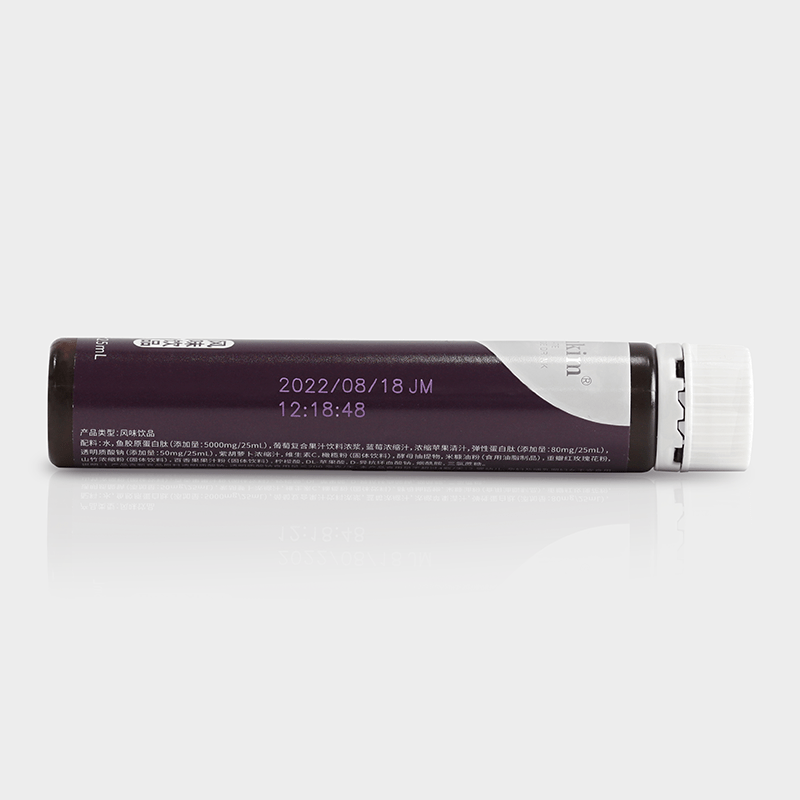
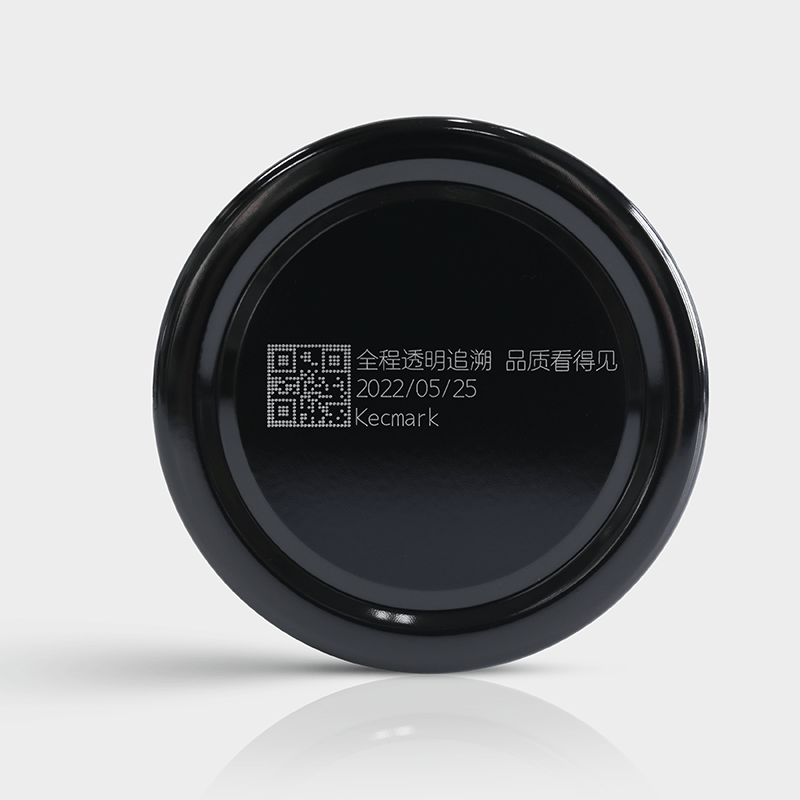
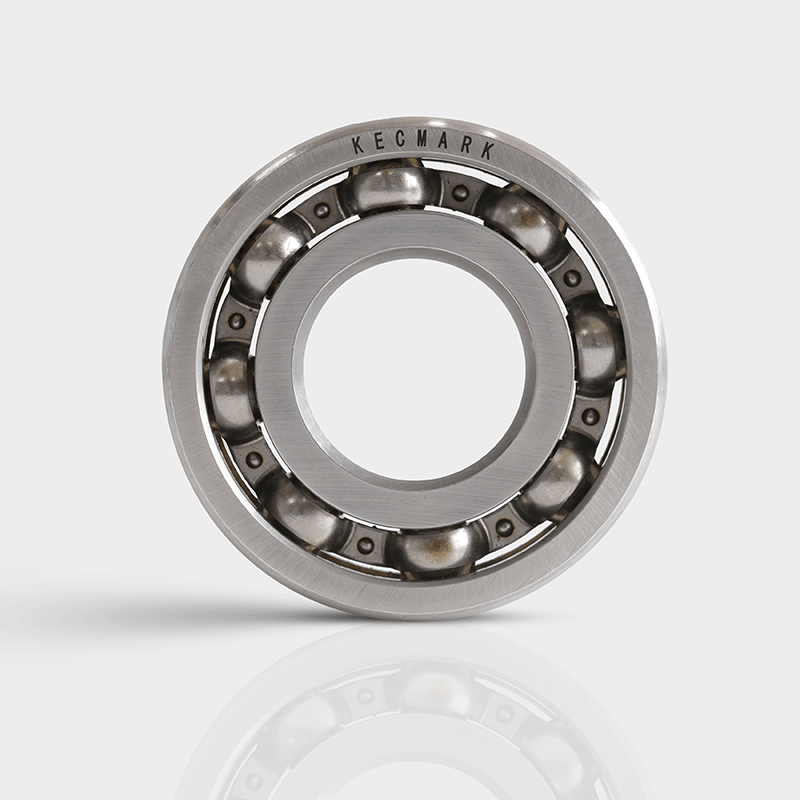
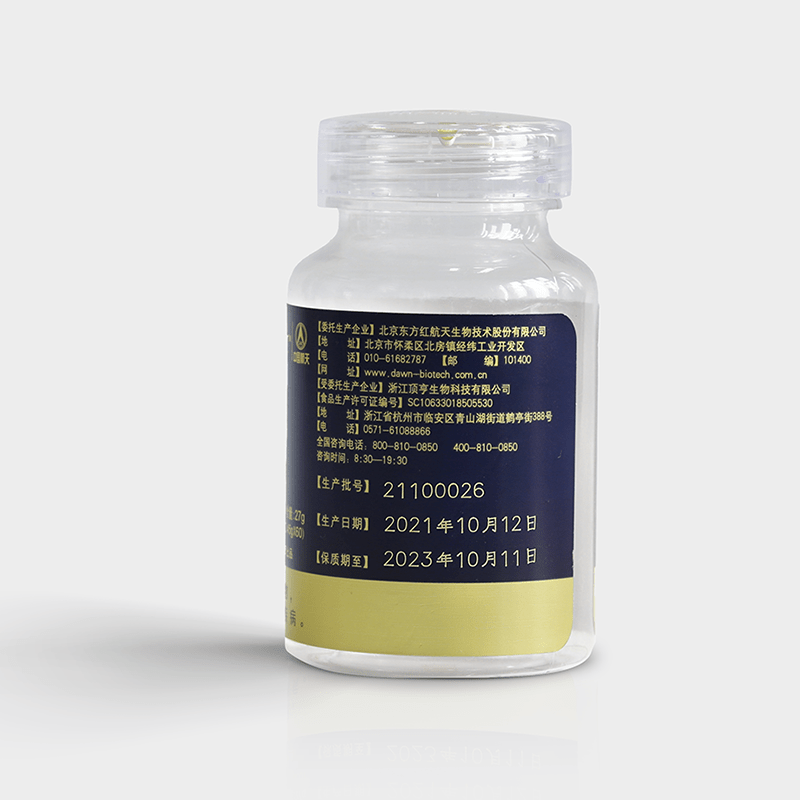
Lasers can mark and process a wide range of products, but there is no one type of laser that is suitable for all applications. All objects are “reflected,” “absorbed,” and “transmitted” when light is received, so the performance of fiber, CO2, and UV laser printers varies depending on the application and material.
The greater the “reflection” and “penetration”, the more the temperature of the object cannot rise, and the more difficult it is to process. The more “absorption”, the higher the processing efficiency. “Reflectivity”, “Absorption” and “Transmittance”, and form the following relationships.
Reflectivity +Absorption + Transmittance = 1
Here’s a brief overview of fiber, CO2, and UV laser technologies. We also provide some marking results as well as videos that illustrate the pros and cons of each system.
Fiber, CO2 and UV laser basics
The most important difference between fiber, CO2, and UV laser printers is the wavelength of the light they produce.
Short wavelengths generally have more energy and higher absorption than long wavelengths. As a result, the wavelength of a laser affects its ability to mark certain materials.
The following describes the characteristics of different wavelength types and examples of markers.
What is a Fiber Laser?
Fiber lasers have a wavelength of 1090nm and are therefore infrared (IR) lasers. Fiber lasers can mark a wide range of materials and are particularly suitable for marking metal items. The high power of fiber lasers makes them ideal for annealing and engraving applications, but it is not possible to mark transparent objects because infrared light passes directly through the object.
Optical wavelength distribution
A: Ultraviolet range B: Visible range C: Infrared range
CO2 lasers have 10 times the wavelength of standard wavelength systems. They are good at marking paper, resin, wood, rubber, and transparent materials such as glass and PET. However, it is not possible to mark metal with a CO2 laser because the laser is not absorbed by the object.
Optical wavelength distribution
A: Ultraviolet range B: Visible range C: Infrared range
UV lasers use a highly absorbable wavelength (355 nanometers) to mark parts. This high absorption rate enables UV lasers to perform “cold marking” (i.e., no additional thermal stress during marking). As a result, UV lasers are ideal for applications that require high contrast or minimal product damage.
Optical wavelength distribution
A: Ultraviolet range B: Visible range C: Infrared range
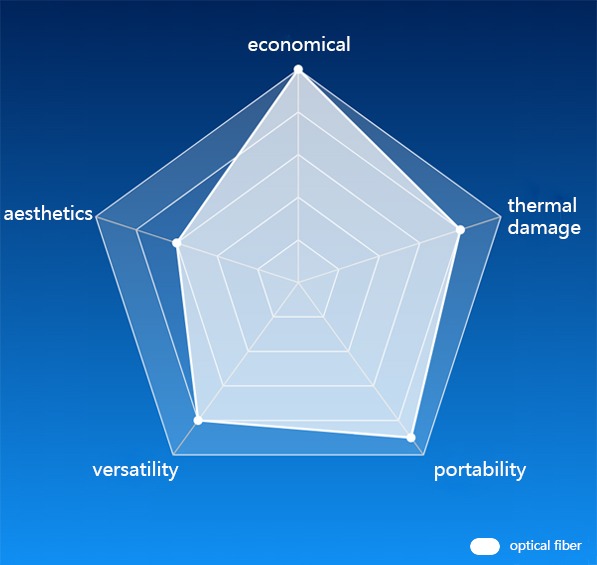
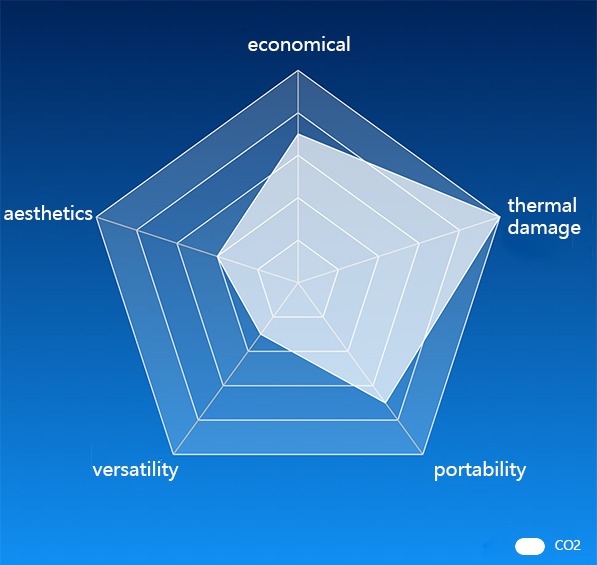
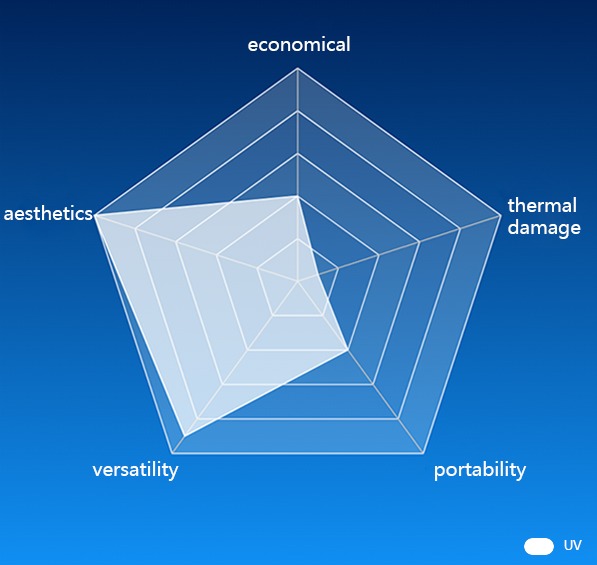
In many cases, a variety of laser coding equipment can be used to mark a packaging material, so in order to facilitate users to better choose their own suitable products, we score products from five dimensions: economy, coding quality, application range, portability and thermal damage.
Economy: the amount of investment required to purchase equipment, as well as the cost of later maintenance, the larger the value, the more investment is required.
Aesthetics: Represents the delicacy and uniformity of the final logo lines, as well as the visual readability of the logo, the larger the value, the better the effect.
Versatility: Reflects the number of material types that can be marked by the coder, and the higher the number, the more material types can be marked.
Portability: It is manifested in the size of the product volume, the complexity of the installation, and the requirements for the installation environment temperature and space.
Thermal damage: the most intuitive manifestation is the change of physical and chemical properties of the material, due to the use of thermal burning in laser marking, the smaller the thermal radiation, the smaller the damage.
【Summary】Recommended solutions
Fiber lasers can quickly mark most materials, often producing strong contrast on metal. However, fiber lasers cannot mark transparent materials and sometimes damage the marking surface.
UV lasers achieve strong contrast on the resin, while UV lasers have the unique advantage of creating non-damaging markers.
CO2 lasers burn targets with heat, making them ideal for marking wood, paper, ceramics, and transparent targets.
Fiber lasers
CO2 Laser
Ultraviolet laser
Metals (Iron)
✓
X
X
Metal
(copper)
X
X
✓
Rresin(PE)
✓
X
✓
Carton
X
✓
✓
Transparent items
X
✓
X
Film bags
X
X
✓
✓ … High visibility
X … Low visibility
* Results may vary depending on the material and its state. The above results represent only one example.