
Organic matter
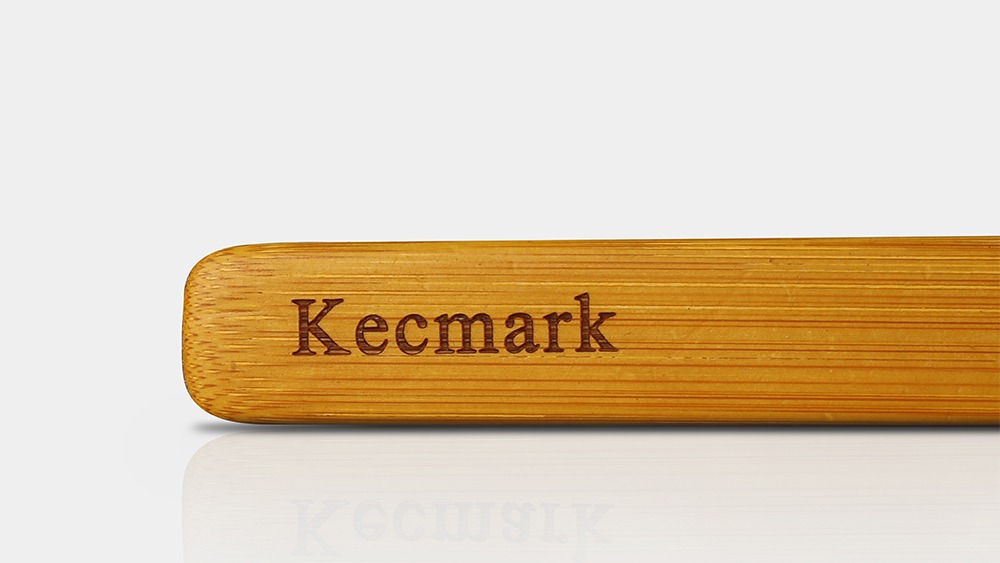
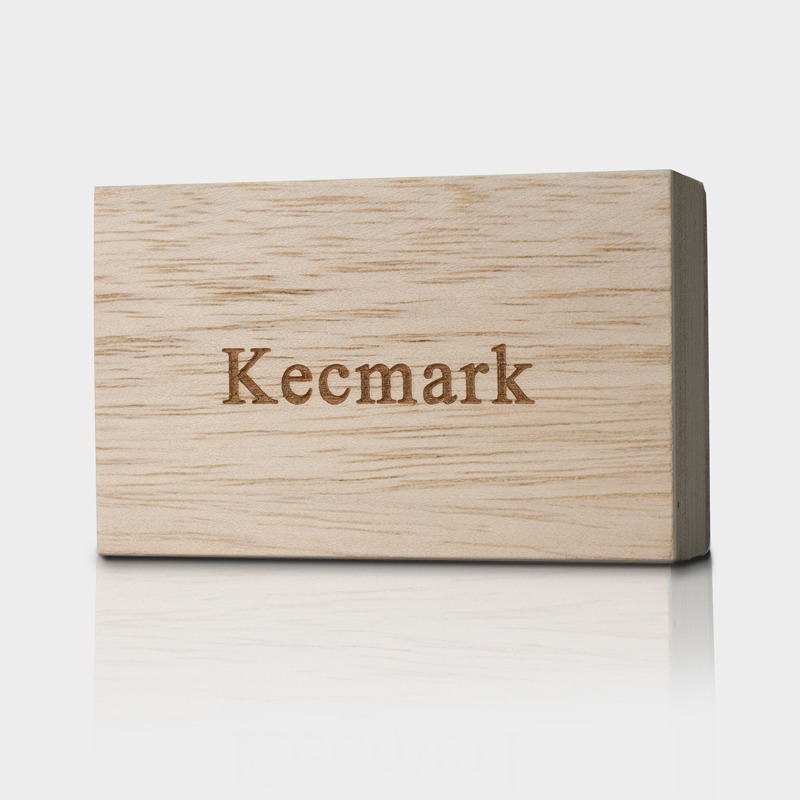
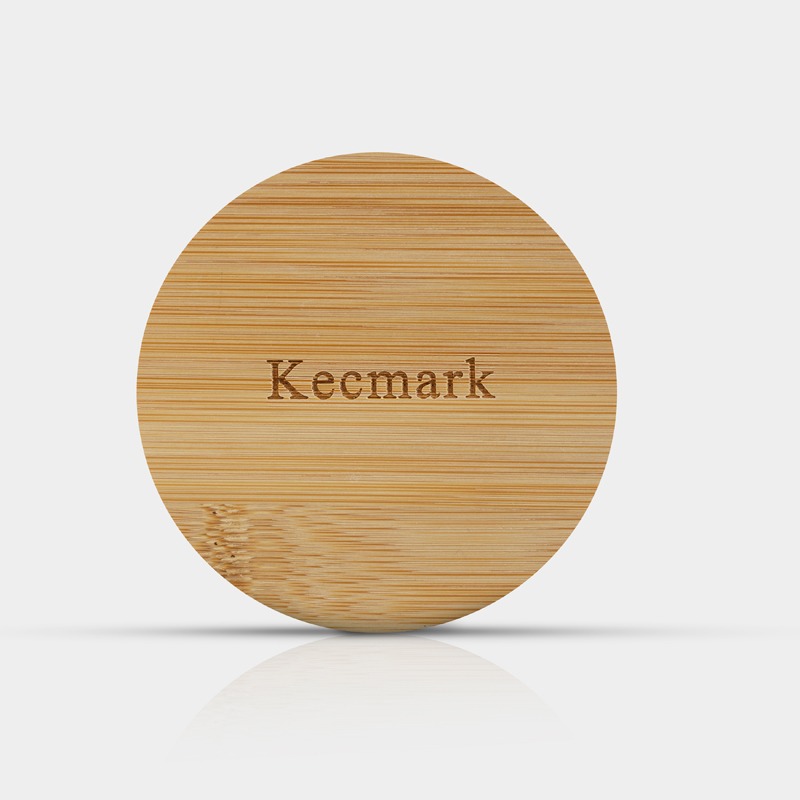
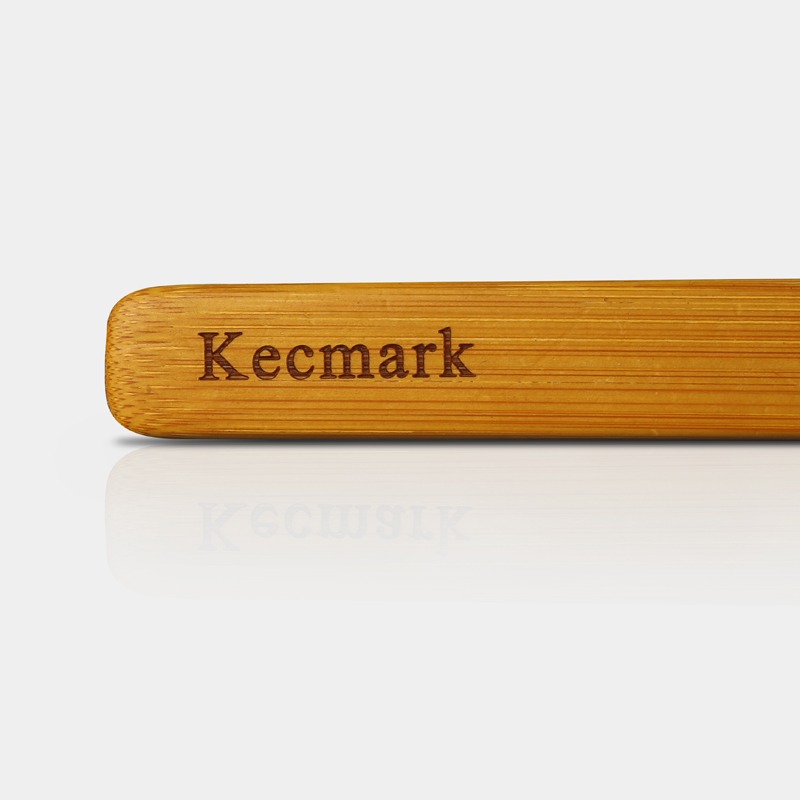
Surface marking of bamboo and wood products
What metals can be laser marked and engraved?
Annealing marking refers to the formation of oxide layers on ferrous metals (iron, steel, high-quality steel) and titanium by local heating.
Usually, the oxide layer is black, but it can also have other annealed colors (such as yellow, red, and green). The color depends on the temperature of the heating layer.
The surface of the material remains uniform during annealing as nothing is removed from it; The color change is achieved only by local material heating.
- List items #1
- List items #2
- List items #3
What metals can be laser marked and engraved?
Annealing marking refers to the formation of oxide layers on ferrous metals (iron, steel, high-quality steel) and titanium by local heating.
Usually, the oxide layer is black, but it can also have other annealed colors (such as yellow, red, and green). The color depends on the temperature of the heating layer.
The surface of the material remains uniform during annealing as nothing is removed from it; The color change is achieved only by local material heating.
- List items #1
- List items #2
- List items #3
Carbonization
Annealing marking refers to the formation of oxide layers on ferrous metals (iron, steel, high-quality steel) and titanium by local heating.
Usually, the oxide layer is black, but it can also have other annealed colors (such as yellow, red, and green). The color depends on the temperature of the heating layer.
The surface of the material remains uniform during annealing as nothing is removed from it; The color change is achieved only by local material heating.
The heat typically penetrates 20 to 30 μm deep on the metal surface. This makes the mark wear-free and ensures that it can be removed by reheating (ferrous metals minimum 700°C).
- List items #1
- List items #2
- List items #3
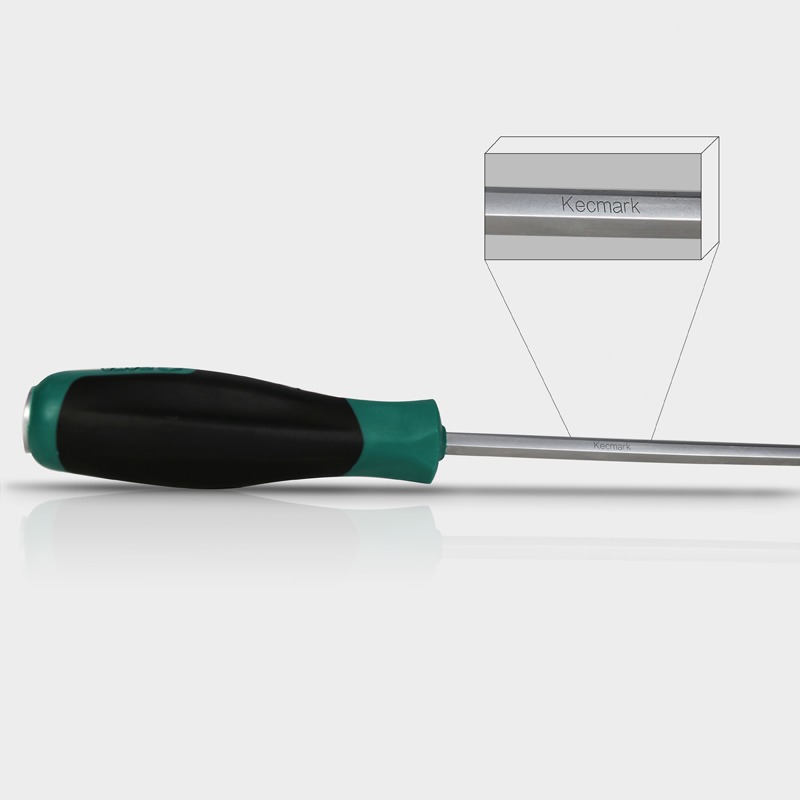
Carbonization
Usually, the oxide layer is black, but it can also have other annealed colors (such as yellow, red, and green). The color depends on the temperature of the heating layer.
The surface of the material remains uniform during annealing as nothing is removed from it; The color change is achieved only by local material heating.
The heat typically penetrates 20 to 30 μm deep on the metal surface. This makes the mark wear-free and ensures that it can be removed by reheating (ferrous metals minimum 700°C).
- List items #1
- List items #2
- List items #3